

Give Us a Call
+ 02 8090 1100
We are Certified Award Winning
Dental Clinic in AUSTRALIA.
Opening Hours
- Mon - Fri09:00am - 6:00pm
- Sat08:30am - 4:00pm
- SunClosed
Hornsby Dental’s Website Specials
New Patient Checkup & Clean
Dental Veneers
Dental Crowns/Bridges
Dental Implant Surgery and Implant Crowns
Invisalign Hornsby - We are a Platinum Elite Provider
Teeth Whitening Specials! From $349. Save 50%+
9
LOCATIONS
35
DEDICATED CLINICIANS
15
YEARS IN BUSINESS
90000
HAPPY PATIENTS
OUR SERVICES
The milestone in excellent health care.
Welcome
HORNSBY DENTIST | HORNSBY DENTAL
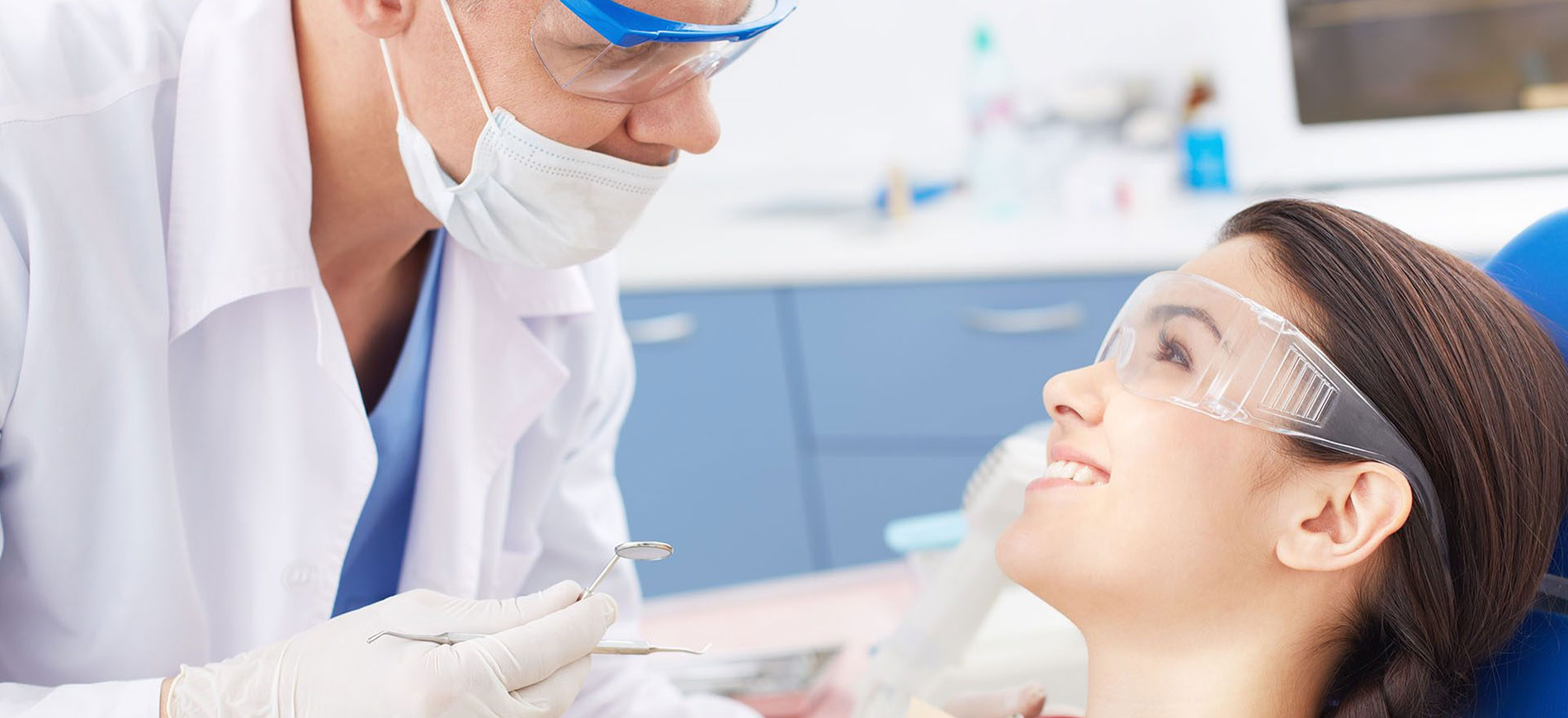
We are here to help you achieve a great smile and dental health that will flourish through the years. The Hornsby Dental team is here to provide you with the highest quality Dental Care and equipment at the most affordable prices.
If you are looking for a dentist in Hornsby, we are conveniently located in the Hornsby CBD, NSW, next to Hornsby Westfield, Edgeworth David Medical Centre and close to public transport links (Hornsby and Waitara Train Station). We take care of patients from suburbs all round Hornsby, the North Shore and from around Sydney.
DEDICATED
Our dentists are highly trained, experienced and undertake extensive professional development
TRANSPARENT
After your appointment with us, we provide written quotes for any future treatments you may require if any.
VALUE
We provide quality care and are generous with our time: 45mins – 1hr appointments for all new patients
FAMILY FRIENDLY
Family friendly surgery design will make you and your kids feel comfortable
LATEST TECHNOLOGY
We use state of the art equipment and materials
BUPA AND MEDIBANK NETWORK PROVIDERY
All our staff are friendly, gentle and caring. Hornsby Dental is a Network provider with Medibank and BUPA.
GET APPOINTMENT
Book with our Hornsby
Dentist Today

- Get more back on extras
- Provides certainty of costs for dental services
- Our pricing for Medibank members is set at Medibank scheduled fee, and you can claim the maximum benefits at Medibank Members Choice Provider (versus claim less benefits at a non- provider), means you get more money back, and pay less
- Easy claiming, just simply swipe your Medibank membership card on our Hicaps machine, your claim in made on the spot, no need to bring receipt to claim on Medibank branch or online
- Take the advantage for our no gap dental clean for new patients and return patients (subject to your fund’s waiting period and annual limit; this offer is to have your teeth cleaned with our hygienist). This offer makes teeth cleaning more affordable for Medibank members, just swipe your Medibank card and pay nothing, no out-of-pocket expense on check up and clean.
- Get more back on extras
- Provides certainty of costs for dental services
- Our pricing for Bupa members is set at Bupa scheduled fee, and you can claim the maximum benefits at Bupa Members First Provider (versus claim less benefits at a non- provider), means you get more money back, and pay less
- Easy claiming, just simply swipe your Bupa membership card on our Hicaps machine, your claim in made on the spot, no need to bring receipt to claim on Bupa branch or online
- Take the advantage for our no gap dental clean for new patients and return patients (subject to your fund’s waiting period and annual limit; this offer is to have your teeth cleaned with our hygienist). This offer makes teeth cleaning more affordable for Bupa members, just swipe your Bupa card and pay nothing, zero out-of-pocket expense on check up and clean.
Client 7
Client-5
Client 6
Client 1
Client 2
Client 3

Client 4

Other Practice Locations
North Sydney Dentistry
@ North Sydney
Level 1, Suite 102/71 Walker St, North Sydney NSW 2060
Tel: (02) 8090 1108
Email: info@northsydneydentistry.com.au
Opening Hours: – Open 6 Days
Monday – Friday: 9:00 AM – 6:00 PM
Saturday: 9:00 AM – 4:00 PM
3 minutes walk from North Sydney Station
Sydney CBD Dentistry
@ Sydney CBD (Wynyard)
302/70 Pitt St, Sydney NSW 2000
Tel: (02) 8090 1105
Email: info@sydneycbddentistry.com.au
Opening Hours: Open 5 Days
Monday – Friday: 8:00 AM – 6:00 PM
2 minutes walk from Wynyard Station
Parramatta Dentistry
@ Parramatta
Suite 25, Lvl 3/27 Hunter St,
Parramatta NSW 2150, Australia
Tel: (02) 8090 1109
Email: info@parramattadentist.sydney
Opening hours: – Open 6 Days
Monday – Friday: 9am – 6pm
North Ryde Dentistry
Macquarie Park
Unit 4, Building B, 64 Talavera Rd Macquarie Park, NSW 2113
Tel: (02) 8090 1102
Email: info@northrydedentistry.com.au
Opening Hours: – Open 6 Days
Mon & Thu: 9:00 AM – 9:00 PM
Tue, Wed & Friday: 9:00 AM – 6:00 PM
Sat: 9:00 AM – 6:00 PM
Our Blog
Read Our Latest Articles
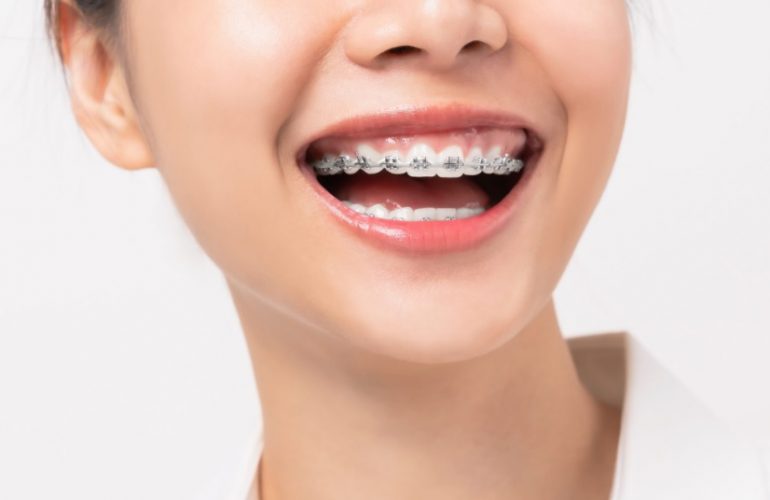
How Much Do Braces Cost?

Emergency Dental Care