
CEREC Cosmetic Procedures:
Modern Same-Day Restorative Dentistry
Advancements in dental technology have significantly changed the way restorative and cosmetic procedures are delivered. One such innovation is CEREC, a system that allows certain dental restorations to be designed and created within the dental clinic. For patients seeking efficient treatment options, CEREC may provide a streamlined alternative to traditional laboratory-based procedures.
At practices offering CEREC Sydney, this technology is used to assist in the design and fabrication of restorations such as inlays, onlays, porcelain veneers, and porcelain crowns. While not all cases are suitable for same-day treatment, CEREC can reduce the need for multiple appointments in appropriate situations.
What Is CEREC?
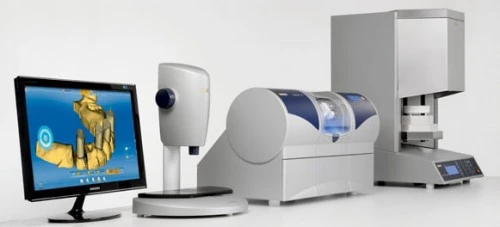
CEREC stands for Chairside Economical Restoration of Esthetic Ceramics. It is a computer-aided design and manufacturing (CAD/CAM) system used in dentistry to create ceramic restorations directly within the clinic.
Traditionally, restorations such as crowns or veneers required physical impressions, temporary restorations, and a waiting period while a dental laboratory fabricated the final piece. With CEREC technology, digital scans of the teeth are taken, and the restoration is designed and milled on-site using high-quality ceramic materials.
It is important to note that treatment suitability depends on individual clinical factors. A thorough examination is required before determining whether CEREC is appropriate for a particular case.
How CEREC Supports Tooth Preservation
One of the primary goals of restorative dentistry is to protect and preserve the natural tooth structure wherever possible. CEREC restorations are digitally planned to fit the prepared tooth precisely, which may assist in maintaining structural integrity.
The ceramic materials used in CEREC restorations are designed to mimic the natural appearance of enamel while offering durability for everyday function. However, as with all dental restorations, longevity depends on factors such as oral hygiene, bite forces, and regular dental maintenance.
CEREC for Inlays and Onlays
Inlays and onlays are indirect restorations often used when a tooth has moderate damage or decay that is too extensive for a simple filling but does not require a full crown.
With CEREC technology:
Decay or old filling material is carefully removed
A digital scan of the tooth is taken
A custom ceramic inlay or onlay is designed
The restoration is milled within the clinic
The final piece is bonded into place
In appropriate cases, this process may be completed in a single visit. This can reduce the need for temporary restorations and multiple appointments, although individual treatment plans may vary.
Porcelain Veneers with CEREC
Porcelain veneers are thin ceramic shells bonded to the front surface of teeth. They may be considered for concerns such as discolouration, minor misalignment, uneven edges, or small gaps.
Using CEREC technology, veneers can be digitally designed to complement the patient’s natural smile and facial features. The digital workflow allows for detailed planning and shade selection prior to fabrication.
While some veneer cases may involve minimal tooth preparation, the extent of preparation depends on the individual’s dental structure and aesthetic goals. It is not accurate to state that veneers can always be completed with “no drilling,” as this varies from case to case.
Porcelain veneers are typically considered for cosmetic enhancement, but patients should understand that they are a long-term restorative option requiring careful maintenance and ongoing dental review.
Porcelain Crowns and the CEREC Crown Process
A porcelain crown is a restoration that covers and protects a damaged, weakened, or heavily restored tooth. Crowns may be recommended following:
Significant tooth decay
Fracture or structural compromise
Large failing fillings
A CEREC crown is designed and milled within the clinic using digital impressions rather than traditional moulds. This eliminates the need for conventional impression materials and may improve patient comfort.
The general CEREC crown process includes:
Clinical examination and preparation of the tooth
Digital scanning
Computer-assisted design of the crown
On-site milling from a ceramic block
Final fitting and bonding
In suitable cases, treatment may be completed in a single visit. However, some complex cases may still require laboratory involvement, depending on functional or aesthetic requirements.
Benefits and Considerations of CEREC
Potential Advantages
Digital impressions instead of traditional moulds
Reduced number of appointments in appropriate cases
No temporary crown required in many situations
Ceramic materials designed to resemble natural tooth enamel
Important Considerations
Not all patients or cases are suitable for same-day restorations
Treatment outcomes depend on individual oral health factors
Regular dental check-ups are essential to maintain restorations
Costs may vary depending on the type and complexity of the procedure
Under AHPRA advertising guidelines, it is important to avoid guaranteeing outcomes or implying that one method is superior in all cases. The suitability of CEREC must always be determined through professional clinical assessment.
CEREC Sydney: Is It Right for You?
For patients exploring CEREC Sydney, the first step is a comprehensive dental consultation. This allows the dentist to evaluate:
The condition of the affected tooth
Bite alignment and functional considerations
Gum health
Aesthetic expectations
Long-term treatment planning
CEREC may be recommended for certain restorative or cosmetic procedures, but alternative treatment options may also be discussed where appropriate.
Long-Term Maintenance of CEREC Restorations
Whether receiving a CEREC crown, porcelain veneers, or porcelain crowns, long-term success depends on:
Good oral hygiene practices
Regular professional dental examinations
Avoiding excessive bite forces (e.g., teeth grinding without protection)
Following post-treatment care instructions
Ceramic restorations are designed to be durable, but they are not indestructible. Ongoing monitoring ensures that any issues can be addressed early.
Final Thoughts on CEREC Cosmetic Procedures
CEREC technology represents a modern approach to restorative and cosmetic dentistry. By combining digital scanning, computer-aided design, and in-clinic milling, CEREC can streamline certain procedures such as inlays, onlays, porcelain veneers, and porcelain crowns.
While same-day treatment may be possible in appropriate cases, every patient’s dental needs are unique. A personalised consultation ensures that treatment recommendations are based on clinical suitability rather than convenience alone.
If you are considering a CEREC crown or other ceramic restoration, discussing your options with a qualified dental professional can help you understand the benefits, limitations, and long-term considerations involved.
Book a Consultation at Hornsby Dental
If you would like to learn more about CEREC Sydney, including whether a CEREC crown, porcelain veneers, or porcelain crowns may be suitable for your needs, our team at Hornsby Dental is here to help.
We offer CEREC technology as part of our restorative and cosmetic dental services. A comprehensive consultation allows us to assess your oral health, discuss appropriate treatment options, and answer any questions you may have.
To arrange an appointment, you can:
Call our clinic to speak with our friendly team
Email us with your enquiry
Book an appointment online at your convenience
We look forward to assisting you with your dental care needs.