
Hornsby Dentist | Family & Cosmetic Dental Clinic | Hornsby, NSW 2077

Jessica Gao

Orthodontist Sydney

Orthodontist Sydney

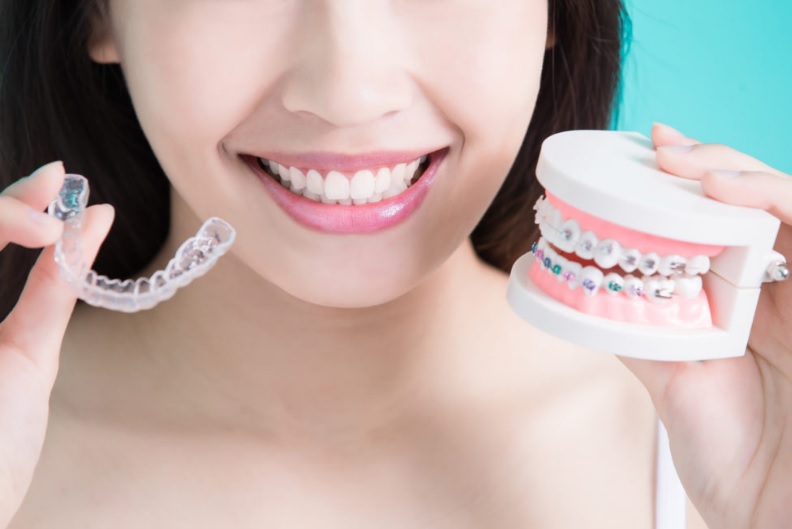
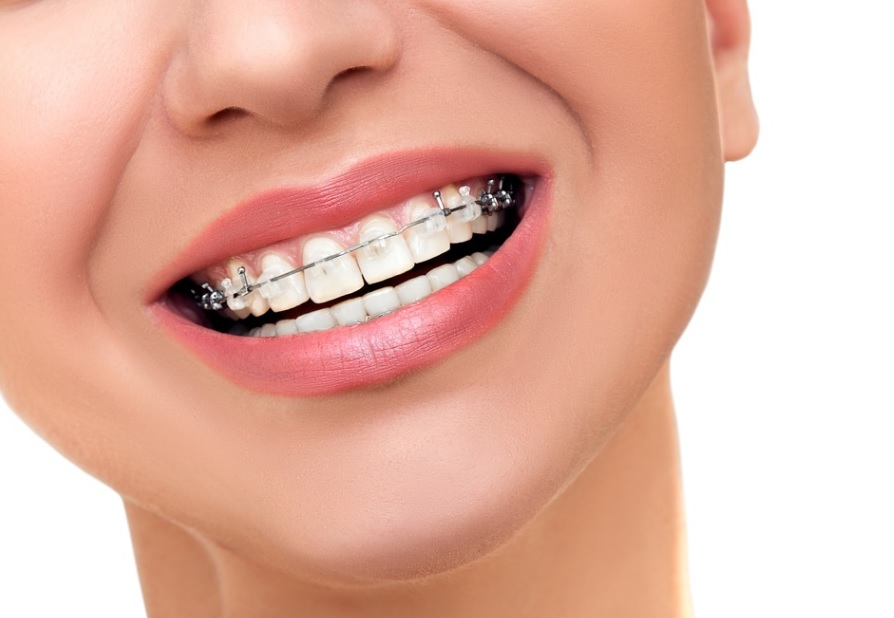
Roles of an Orthodontist Sydney Many people visit a dental clinic with the goal of improving their smile and maintaining good oral health. While general dentistry focuses on overall dental care, orthodontics is a specific area that addresses the alignment of teeth and jaws. If you have ever searched for an orthodontist near me or considered treatment options such as Invisalign Sydney or braces Sydney, understanding the role of an orthodontist can help you make a more informed decision. What Does an Orthodontist Do? An orthodontist Sydney is a dental professional who has completed additional training in orthodontics, focusing on diagnosing, preventing, and managing issues related to tooth alignment and jaw positioning. Their role involves assessing how teeth and jaws develop and function, and recommending appropriate treatment options when needed. Orthodontic treatment is not only about appearance. Proper alignment can support everyday functions such as chewing and speaking, while also making it easier to maintain oral hygiene. When teeth are crowded or misaligned, it may be more difficult to clean between them effectively, which can increase the risk of plaque build-up and gum concerns over time. Orthodontics and Early Assessment Orthodontic care can begin at different stages of life. In children, early assessment allows an orthodontist to monitor growth and development. Certain oral habits, such as thumb sucking, may influence how teeth and jaws develop. An orthodontist may provide guidance to help manage these habits and monitor any potential effects on the bite. In some cases, early orthodontic evaluation can help identify concerns such as spacing, crowding, or bite issues (e.g., open bite or crossbite). While not all children will require immediate treatment, early assessment allows for appropriate monitoring and planning if intervention becomes necessary later. It is commonly recommended that children have an orthodontic evaluation during their early teenage years, when permanent teeth are developing. At this stage, an orthodontist can assess alignment and determine whether orthodontic treatment may be suitable. Orthodontic Treatment for Teenagers and Adults Orthodontic treatment is not limited to children. Many adults seek orthodontics to address alignment concerns or to explore options that were not available to them earlier in life. If you are searching for an orthodontist near me, you may find that there are several treatment options suitable for different needs and preferences. For teenagers and adults, orthodontic treatment may be considered for concerns such as: Crowded or overlapping teeth Gaps between teeth Bite issues (overbite, underbite, crossbite) Difficulty maintaining oral hygiene due to misalignment Treatment plans are tailored to each individual after a clinical assessment. An orthodontist will consider factors such as dental health, jaw alignment, and personal preferences before recommending options. Common Orthodontic Treatment Options Modern orthodontics offers a range of treatment approaches. Two commonly discussed options include traditional braces and clear aligners such as Invisalign Sydney. Braces Sydney Braces are a well-established orthodontic treatment used to move teeth into improved alignment over time. They may be recommended for a wide range of cases, including more complex alignment concerns. Braces consist of brackets attached to the teeth, connected by wires that are adjusted periodically. Invisalign Sydney (Clear Aligners) Clear aligners, such as Invisalign, are an alternative to traditional braces. These aligners are custom-made and removable, allowing patients to take them out when eating and cleaning their teeth. They are typically more discreet in appearance compared to braces. Not all patients may be suitable candidates for clear aligners, and suitability can only be determined after a consultation with an orthodontist. Supporting Oral Health Through Alignment Aligned teeth are generally easier to clean, which may support better oral hygiene when combined with regular brushing, flossing, and professional dental care. Orthodontic treatment may also assist in distributing bite forces more evenly, which can help reduce strain on certain teeth and jaw structures. It is important to note that outcomes can vary between individuals, and maintaining oral health requires ongoing care even after orthodontic treatment is completed. The Importance of Personalised Assessment Every patient has unique dental needs, which is why orthodontic care begins with a detailed consultation. During this process, an orthodontist Sydney may perform clinical examinations, take photographs or scans, and discuss your concerns and goals. Based on this assessment, a personalised treatment plan may be developed. This plan outlines the recommended approach, estimated duration, and any considerations relevant to your case. If you are unsure whether orthodontic treatment is appropriate for you, scheduling a consultation with an orthodontist near me can help clarify your options. When Should You See an Orthodontist? You may consider seeing an orthodontist if you notice: Crooked or crowded teeth Gaps between teeth Difficulty biting or chewing Jaw discomfort or clicking Concerns about alignment or appearance Early consultation can help identify potential issues and allow for timely management. In some cases, addressing concerns earlier may reduce the complexity of future treatment, although this will depend on individual circumstances. Orthodontics as Part of Long-Term Dental Care Orthodontics is one component of overall dental health. Maintaining regular dental check-ups, practising good oral hygiene, and following professional advice all contribute to long-term outcomes. After completing orthodontic treatment, retainers are often recommended to help maintain the position of teeth. Your orthodontist will provide guidance on how and when to wear retainers as part of your ongoing care. Conclusion The role of an orthodontist Sydney extends beyond straightening teeth. Through orthodontics, they assess, diagnose, and manage alignment and bite concerns to support both function and oral health. Whether you are considering braces Sydney or exploring options like Invisalign Sydney, a professional consultation is an important first step. If you have been searching for an orthodontist near me, booking an assessment can help you better understand your options and determine whether orthodontic treatment is suitable for your needs. Dentist Hornsby

Orthodontist Sydney Read More »

Veneer Teeth

Veneer Teeth

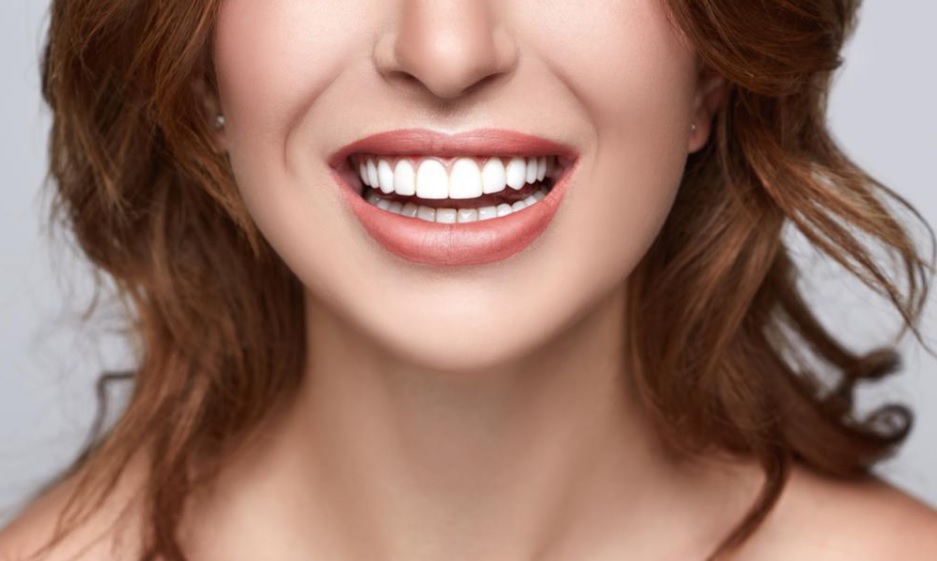
Veneer Teeth – A Guide to Dental Veneers In cosmetic dentistry, veneer teeth are a commonly requested treatment option for patients who wish to improve the appearance of their smile. Veneers are thin layers of material bonded to the front surface of natural teeth. They are designed to modify the size, shape, colour, or proportions of teeth for aesthetic purposes. Dental veneers are often considered by patients who have concerns such as tooth discolouration, minor chips, small gaps, or irregularly shaped teeth. Before proceeding, it is important to understand how veneers work, their benefits and limitations, and whether they are suitable for your individual oral health needs. This guide outlines what teeth veneers involve and key considerations before making a decision. What Are Veneers? Dental veneers are custom-made restorations that cover the front surface of teeth. They are primarily cosmetic and are used to improve the visual appearance of teeth rather than to restore major structural damage. Veneer teeth are commonly used to address: Intrinsic staining that does not respond to whitening Minor fractures or chips Small gaps between teeth Slight misalignment or uneven edges Teeth that appear too small or irregular in shape Veneers are bonded to prepared teeth using dental adhesive. In most cases, a small amount of enamel is removed to allow proper placement and alignment. Because enamel does not regenerate, this process is generally irreversible. A clinical examination and consultation are required to determine whether dental veneers are appropriate for your situation. Types of Veneers Available There are two main types of veneers typically offered: Porcelain veneers Composite veneers Both materials can improve the appearance of teeth veneers, but they differ in fabrication method, durability, cost, and maintenance requirements. Porcelain Veneers Porcelain veneers are fabricated in a dental laboratory using ceramic material. They are custom-designed based on impressions or digital scans taken during preparation. Characteristics of porcelain veneers include: A natural translucency that resembles enamel Greater resistance to staining compared to composite materials Longer laboratory fabrication time Typically requiring multiple appointments Porcelain veneer teeth may last several years with appropriate care, although longevity varies depending on oral hygiene, bite forces, and lifestyle factors. Composite Veneers Composite veneers are made from tooth-coloured resin material. They are often sculpted and bonded directly to the teeth during a single visit. Characteristics of composite veneers include: Lower initial cost compared to porcelain Quicker treatment process Easier repair if chipped May be more prone to staining over time Composite veneer teeth may require more maintenance and may not last as long as porcelain options in some cases. Your dentist will discuss which material may be more suitable for your clinical condition and goals. Why Patients Consider Veneer Teeth Veneers are often chosen by patients seeking aesthetic improvements to their smile. Some individuals consider dental veneers after whitening treatments have not achieved their desired shade. Others may wish to address minor cosmetic concerns without undergoing orthodontic treatment. It is important to note that veneers are not suitable for all cases. More complex alignment issues, significant tooth damage, or active dental disease may require alternative treatments. During consultation, your dentist will assess: Overall oral health Gum condition Tooth structure Bite alignment Expectations and goals This ensures that teeth veneers are recommended only when clinically appropriate. Cost Considerations One of the common concerns about veneer teeth is cost. The total investment varies depending on: The number of teeth being treated The material selected (porcelain or composite) Case complexity Laboratory involvement Individual treatment planning requirements Because each case is different, an accurate quote can only be provided following examination and treatment planning. Patients are encouraged to consider not only the initial cost but also long-term maintenance. Veneers may eventually require repair or replacement due to wear, damage, or changes in surrounding teeth. At Hornsby Dental, payment plan options may be available for eligible patients. Details can be discussed during consultation. Important Considerations Before Choosing Veneers While veneers offer aesthetic improvements, there are several important factors to consider. 1. Irreversibility Because enamel is typically removed during preparation, veneer teeth are considered a permanent alteration to the natural tooth. Future replacement may be required over time. 2. Longevity Although veneers are durable, they are not permanent. Over time, they may require replacement due to wear, marginal staining, or damage. Proper oral hygiene and regular dental check-ups contribute to longevity. 3. Maintenance Veneers require ongoing care similar to natural teeth, including: Brushing twice daily Daily flossing Regular professional cleans Avoiding excessive biting forces Wearing a night guard if recommended Good maintenance helps reduce the risk of complications. 4. Sensitivity Some patients may experience temporary sensitivity following enamel preparation. This usually improves over time, but patients should be aware of the possibility before proceeding. 5. Suitability Not all patients are suitable candidates for dental veneers. Conditions such as untreated decay, gum disease, or significant enamel loss must be addressed before cosmetic treatment is considered. A thorough assessment ensures veneers are placed on healthy, stable teeth. Veneers Compared to Crowns In some situations, patients may ask whether veneers or crowns are more appropriate. Veneers typically require less removal of tooth structure compared to crowns. However, crowns may be more suitable for teeth with extensive damage or structural compromise. Your dentist Hornsby will recommend the most appropriate treatment based on your clinical needs rather than cosmetic preference alone. The Consultation Process If you are considering veneer teeth, the first step is a comprehensive consultation. During this appointment, your dentist will: Examine your teeth and gums Take photographs or digital scans if required Discuss your concerns and expectations Explain risks, benefits, and alternatives Provide a personalised treatment plan This ensures that any decision to proceed with dental veneers is informed and appropriate for your circumstances. Patients are encouraged to ask questions and take time to consider their options before making a commitment. Final Thoughts Veneer teeth are a widely used cosmetic dental option for improving the appearance of stained, chipped, or uneven teeth. Dental veneers can modify the shape, size, and colour of teeth veneers,

Veneer Teeth Read More »

Invisalign vs Braces

Invisalign vs Braces

Invisalign vs Braces: Which Orthodontic Option Is Right for You? If you’re considering teeth straightening, one of the most common questions is Invisalign vs braces—which option is more suitable for your needs? Both treatments are widely used to address concerns such as crooked teeth, spacing, and bite alignment, but they differ in approach, appearance, and maintenance. Whether you’re exploring Invisalign Sydney, Invisalign Hornsby, or looking into braces Sydney, understanding how each option works can help you make a well-informed decision in consultation with your dental professional. What Are Braces? Braces are a traditional orthodontic treatment that uses brackets, wires, and sometimes elastic bands to gradually move teeth into alignment. The brackets are typically attached to the front of the teeth, although other options such as ceramic (tooth-coloured) or lingual (behind-the-teeth) braces may also be available. Braces apply continuous, controlled pressure over time, allowing for precise tooth movement. Because they are fixed in place, they work consistently without needing to be removed by the patient. For patients considering braces Hornsby or braces Sydney, this option is often recommended for more complex orthodontic concerns. What Is Invisalign? Invisalign is a system of clear, removable aligners designed to gradually straighten teeth. Each set of aligners is custom-made and worn for a specified period before progressing to the next set in the series. The aligners are made from transparent plastic, making them a more discreet alternative to traditional braces. Small tooth-coloured attachments may be used in some cases to assist with specific tooth movements. Patients searching for Invisalign Hornsby or Invisalign Sydney often choose this option for its convenience and less noticeable appearance. Advantages of Braces Braces continue to be a reliable and widely used orthodontic solution. Suitable for complex casesBraces are often effective for a broad range of orthodontic concerns, including more complex alignment and bite issues. Continuous treatmentBecause braces are fixed, they work continuously without needing to be removed or reinserted. Less dependent on complianceSince braces remain in place, treatment progress does not rely on remembering to wear an appliance for a set number of hours each day. Considerations for Braces While effective, braces may involve some adjustments. AppearanceTraditional metal braces are visible, which may be a concern for some individuals. ComfortMild discomfort may occur, particularly after adjustments. Oral hygiene and dietCleaning around brackets and wires requires extra care, and certain foods may need to be avoided. Advantages of Invisalign Invisalign offers a different approach that may suit patients seeking flexibility. Discreet appearanceClear aligners are designed to be less noticeable than traditional braces. Removable convenienceAligners can be removed for eating, drinking, brushing, and flossing. Digital planningSome Invisalign treatments use digital scans to map out tooth movement and provide a visual representation of the treatment plan. Lifestyle-friendlyWith fewer dietary restrictions and easier cleaning, many patients find Invisalign fits well into daily routines. Considerations for Invisalign Invisalign may not be suitable for all cases. Not ideal for complex casesSome orthodontic conditions may require alternative treatments such as braces. Requires consistent wearAligners generally need to be worn for 20–22 hours per day for effective results. MaintenanceAligners must be cleaned regularly and removed before eating or drinking anything other than water. Invisalign vs Braces: Key Differences When comparing Invisalign vs braces, the main differences come down to: Appearance: Invisalign is more discreet; braces are more visible Removability: Invisalign can be removed; braces are fixed Suitability: Braces may be preferred for complex cases Maintenance: Invisalign allows easier cleaning; braces require more care around brackets Compliance: Invisalign requires consistent wear; braces work continuously A personalised consultation is essential to determine which option is appropriate for your individual situation. Cost Considerations The cost of orthodontic treatment varies depending on the complexity of the case, treatment duration, and the type of appliance used. When researching Invisalign cost, it’s important to note that pricing can differ between patients. Similarly, braces cost Sydney can vary depending on the type of braces and treatment requirements. At Hornsby Dental, both Invisalign and traditional braces are available following a clinical assessment. Invisalign is available with interest-free payment plans from $25 per week, depending on the treatment plan. Braces are available with treatment costs ranging from $4,000 to $8,000, or approximately $77 to $154 per week*. *Subject to finance approval, fees and charges. Terms and conditions apply. A consultation is required to assess your oral health, discuss your goals, and provide a personalised treatment plan and cost estimate. Invisalign and Braces in Hornsby If you are considering Invisalign Hornsby or braces Hornsby, access to a qualified dental professional is an important part of your decision-making process. Treatment planning should be tailored to your individual dental condition, goals, and preferences. Patients exploring Invisalign Sydney or braces Sydney are encouraged to seek professional advice to better understand their options and expected outcomes. Making the Right Choice Choosing between Invisalign and braces involves more than just aesthetics. Factors such as dental complexity, lifestyle, and your ability to follow treatment recommendations all play a role. A thorough consultation will help determine: Whether you are a suitable candidate for Invisalign Whether braces may be more appropriate for your case The expected duration of treatment Estimated costs and available payment options Final Thoughts The decision between Invisalign vs braces is a personal one that should be guided by professional advice and a clear understanding of your options. Both treatments are designed to improve alignment and support long-term oral health. By considering the advantages and limitations of each, you can choose an option that aligns with your needs and lifestyle. If you’re exploring Invisalign cost Sydney or braces cost Sydney, the most accurate way to proceed is by booking a consultation with a dentist Hornsby. This allows for a tailored assessment and a treatment plan suited to your individual goals.

Invisalign vs Braces Read More »

Veneers Teeth Pros and Cons

Veneers Teeth Pros and Cons

Veneers Teeth Pros and Cons When considering cosmetic dental treatment, many patients research the veneers teeth pros and cons before deciding whether the procedure is suitable for them. Veneers are commonly used to improve the appearance of teeth affected by discolouration, minor damage, irregular shape, or small gaps. However, like any dental treatment, they have advantages and limitations. Understanding the dental veneers pros and cons allows patients to make informed decisions based on their oral health, expectations, and long-term considerations. This guide outlines the pros and cons of veneers, including important factors such as durability, cost, maintenance, and eligibility. What Are Veneers? Dental veneers are thin coverings bonded to the front surface of natural teeth to improve their appearance. Veneer teeth are typically made from either porcelain or composite resin materials. They may be considered for: Teeth with intrinsic staining that does not respond to whitening Minor chips or cracks Slight misalignment or uneven edges Gaps between teeth Irregular tooth shape or size Veneers are primarily cosmetic in nature. In most cases, a small amount of enamel is removed from the front of the tooth to allow proper fit and appearance. Because enamel does not regenerate, this procedure is generally irreversible. A clinical consultation is required to determine whether dental veneers are appropriate for your individual circumstances. Pros of Veneers When reviewing veneers teeth pros and cons, it is helpful to understand the potential advantages first. 1. Aesthetic Improvement One of the main reasons patients consider veneer teeth is to improve overall appearance. Veneers can be shaped and shaded to blend with surrounding teeth. Both porcelain and composite materials can be customised to achieve a natural look. However, results vary depending on individual anatomy, existing tooth structure, and expectations. 2. Colour Stability (Porcelain Veneers) Porcelain veneers are generally more resistant to surface staining compared to natural enamel. This may be beneficial for individuals who consume beverages such as coffee, tea, or red wine. While porcelain resists staining, surrounding natural teeth may still change colour over time. Additionally, veneers themselves do not respond to whitening treatments once placed. 3. Durability When maintained appropriately, veneer teeth may last several years. Longevity depends on factors such as: Oral hygiene habits Bite forces Teeth grinding (bruxism) Diet Regular dental check-ups Composite veneers may last approximately 5–10 years, while porcelain veneers may last longer in some cases. However, no dental restoration is permanent, and replacement may eventually be required. 4. Minimally Invasive Compared to Crowns Compared to full dental crowns, veneers generally require less removal of tooth structure. This conservative approach may preserve more of the natural tooth, depending on the case. However, some enamel removal is usually necessary, and the procedure remains irreversible. 5. Customised Treatment Dental veneers can be individually designed to match a patient’s smile characteristics. Factors considered during planning include: Facial proportions Lip line Tooth shape Bite alignment A personalised treatment plan helps ensure that veneer teeth align with the patient’s aesthetic goals while maintaining function. Cons of Veneers When reviewing the pros and cons of veneers, it is equally important to understand potential limitations and risks. 1. Irreversible Procedure One of the most significant veneers teeth pros and cons is that the procedure is usually permanent. Enamel removal cannot be reversed. Once veneer teeth are placed, future maintenance or replacement will likely be necessary. Patients should carefully consider this before proceeding. 2. Risk of Damage or Breakage Although dental veneers are durable, they are not indestructible. Veneers may chip, crack, or debond due to: Trauma Biting hard objects Teeth grinding Accidental impact If damage occurs, repair or replacement may be required. Porcelain veneers generally cannot be repaired as easily as composite veneers. 3. Longevity and Replacement All veneer teeth have a lifespan. Over time, veneers may need replacement due to wear, marginal staining, or changes in surrounding teeth and gums. Replacement involves removing the existing veneers and fabricating new ones, which incurs additional cost. 4. Sensitivity Some patients experience temporary sensitivity to hot or cold following enamel preparation. This sensitivity often reduces after the teeth adjust, but in some cases, it may persist. Discussing the risk of sensitivity during consultation is important when evaluating dental veneers pros and cons. 5. Cost Considerations Cost is an important factor when reviewing the pros and cons of veneers. In Sydney, veneers cost can vary depending on several factors, including the material used (composite or porcelain), the number of teeth being treated, the complexity of the case, and laboratory fees where applicable. A personalised consultation is required to provide an accurate treatment plan and quotation based on your individual needs. Hornsby Dental offers payment plan options for eligible patients to help manage treatment costs: Composite veneers – Interest-free payment plans available from $30 per week Porcelain veneers – Interest-free payment plans available from $57 per week Payment plans are subject to approval and terms and conditions. When considering veneers, it is important to factor in not only the initial cost but also long-term maintenance and potential replacement over time. 6. Not Suitable for Everyone Not all patients are suitable candidates for dental veneers. Veneers may not be recommended for individuals with: Active gum disease Untreated tooth decay Severe enamel erosion Significant bite misalignment Unmanaged teeth grinding In some cases, underlying dental conditions must be treated before veneers can be considered. A thorough examination is necessary to determine eligibility. Weighing the Veneers Teeth Pros and Cons When evaluating veneers teeth pros and cons, patients should consider: Their long-term oral health Budget and financial planning Willingness to maintain veneers Realistic expectations of outcomes Alternative treatment options Alternative treatments may include orthodontics, whitening, bonding, or crowns depending on the concern. Open discussion with a qualified dental professional ensures that patients understand both benefits and limitations before proceeding. Making an Informed Decision The decision to proceed with veneer teeth is personal and should be based on clinical advice rather than promotional claims. During consultation, your dentist should explain: Treatment steps Risks and complications Expected longevity Maintenance requirements Total cost Alternatives Patients are encouraged to

Veneers Teeth Pros and Cons Read More »

Cosmetic Dentist Near me

Cosmetic Dentist Hornsby

Cosmetic Dentist Hornsby: What to Consider When Choosing Cosmetic Dental Care With the convenience of modern technology, searching for healthcare services has become easier than ever. Many people now begin their journey by typing phrases such as “cosmetic dentistry near me” or “cosmetic dentist Sydney” into a search engine to explore their options. While access to information is readily available, choosing the right cosmetic dentist Hornsby requires careful consideration. Cosmetic dental treatments focus on improving the appearance of teeth and smiles, but suitability, experience, and clear communication are essential factors in achieving safe and appropriate outcomes. What Is Cosmetic Dentistry? Cosmetic dentistry refers to dental procedures that aim to enhance the appearance of teeth, gums, or overall smile aesthetics. These treatments are typically elective and may address concerns such as: Tooth discolouration Minor chips or cracks Uneven tooth shape Gaps between teeth Mild alignment concerns Worn enamel Common cosmetic procedures may include teeth whitening, veneers, cosmetic bonding, and smile design planning. It is important to understand that every patient’s needs and expectations are different, and not all treatments are suitable for everyone. A consultation with a qualified cosmetic dentist Hornsby allows for an assessment of your oral health before any cosmetic treatment is considered. Searching for Cosmetic Dentistry Near Me When searching for “cosmetic dentistry near me,” you may find many dental clinics offering similar services. However, not all clinics are the same. Cosmetic procedures require careful planning, clinical knowledge, and clear communication between the dentist and patient. Here are some important factors to consider when choosing a cosmetic dentist: 1. Qualifications and Experience Reviewing the credentials and experience of the dental team is an important first step. Look for information about: Professional qualifications Ongoing education and training Areas of clinical interest Years of experience While marketing language may be persuasive, professional background and transparency provide more reliable insight than broad claims. 2. Range of Cosmetic Services Offered Different clinics may offer varying cosmetic procedures. A comprehensive cosmetic assessment should include discussion of multiple options where appropriate. For example, if you are seeking to improve the colour of your teeth, your dentist may discuss whitening treatments. If you are concerned about shape or spacing, veneers or bonding might be considered. At Hornsby Dental, we offer a range of cosmetic dental procedures tailored to individual needs. During your consultation, we take the time to explain available options and outline realistic expectations before proceeding with any treatment. 3. Consultation and Communication A thorough consultation is an essential part of cosmetic dentistry. This appointment typically involves: Clinical examination Discussion of your concerns and goals Review of treatment options Explanation of risks and limitations Cost estimates and timelines Clear communication is important. A dentist who takes the time to answer your questions and explain procedures in understandable terms can help you feel more informed about your choices. If you are researching a cosmetic dentist Sydney, consider contacting the clinic before booking to ask questions about the consultation process. 4. Realistic Expectations and Transparency Cosmetic dental treatments aim to enhance appearance, but results vary between individuals. No dentist can guarantee a specific outcome. For example: Teeth whitening results depend on the type and severity of staining. Veneers may improve shape and colour but require tooth preparation. Bonding may address small chips but may not be suitable for larger structural issues. An ethical cosmetic dentist will discuss both benefits and limitations so you can make an informed decision. Cosmetic Dentist Hornsby: Understanding Common Treatments Here are some cosmetic procedures commonly discussed during consultations: Teeth Whitening Professional whitening treatments aim to lighten the natural shade of teeth. This may be performed in-chair or with custom take-home trays following assessment. Whitening does not change the colour of crowns or fillings, and results vary depending on individual factors. Porcelain Veneers Veneers are thin porcelain shells bonded to the front surface of teeth to improve shape, colour, or minor alignment concerns. Veneers require careful planning and are not reversible in most cases. Composite Bonding Bonding uses tooth-coloured resin material to repair minor chips or adjust shape. It is a more conservative option in certain cases but may not be suitable for everyone. Smile Planning Some patients benefit from digital smile planning, which allows for discussion of potential aesthetic outcomes before treatment begins. Why Location and Accessibility Matter When searching for a cosmetic dentist Hornsby, accessibility and convenience may also be important considerations. Hornsby Dental is conveniently located at: 21/14 Edgeworth David AveHornsby NSW 2077 Our practice is situated in the heart of Hornsby, making it easily accessible for local residents. Being centrally located allows patients to attend consultations and follow-up appointments with ease. Cosmetic Dentist Sydney: Making an Informed Choice If you are comparing options for a cosmetic dentist Sydney, take the time to: Research clinic websites carefully Review credentials and services Book a consultation to discuss your goals Ask about treatment timelines and maintenance Cosmetic dentistry is a personal decision. Understanding your options and ensuring your oral health is stable before treatment are key components of safe and responsible care. Book a Consultation at Hornsby Dental At Hornsby Dental, we provide cosmetic dental procedures tailored to each individual’s needs. Our approach focuses on thorough assessment, clear communication, and realistic treatment planning. If you are considering cosmetic dentistry near you and would like personalised advice, we invite you to book a consultation with our team. During your appointment, we will: Assess your oral health Discuss your aesthetic concerns Explain available treatment options Provide transparent cost information To arrange your visit, contact our team or book online at your convenience. We look forward to helping you explore your cosmetic dental options in a supportive and professional environment.

Cosmetic Dentist Hornsby Read More »

Braces Cost Sydney

Braces Cost Sydney

Dental braces have been around for quite a long time however, they have kept their relevance over the years with how it helps provide a good solution with regards to the alignment and spacing of our teeth. Many consider the adolescent years to be the ideal time to wear braces to prepare them for adulthood. They are beneficial regardless of your age and it is never too late to get one which can be seen with the adult braces in Hornsby being made available to their customers. Let us look at dental braces cost Sydney to help you prepare for the procedure. It should be noted that dental braces today come in different varieties each having their advantages and disadvantages. As a result, there is no concrete or definite answer as to how much do braces cost NSW.  Dental Braces Cost in Sydney Patients can expect to pay from $8,000 up to $15,000 depending on the type of material that will be used as well as the situation of your teeth. Setbacks and other issues may also prolong the time it takes to wear them resulting in higher braces cost Sydney. Since orthodontics are very expensive, it is highly recommended to compare prices between dental clinics and see which one offers the best deal. How Much Do Braces Cost at Hornsby Dental? Here at Hornsby Dental, our traditional braces cost starts from $4,500 – $6,000+ depending on how complex the current status of your teeth. We can’t determine the exact cost as the patient needs to be examined first. But Hornsby Dental is one of the leading dental clinics that offer excellent quality traditional braces at an affordable rate. It is important to remember that you will be wearing these braces for a long period of time. As such, you need to make sure that you will be getting ones that will be able to cater to your needs and preferences. Cooperation is important and you need to work hand in hand with Hornsby orthodontics to achieve your goal. If you are not sure about what type of dental braces to get, don’t hesitate to ask for recommendations as they will be more than happy to assist you in every step of the way. Last but not the least is to heed the advice of your dentist especially with proper maintenance and care for your braces allowing them to last for long without encountering any issues.   Hornsby Dentist

Braces Cost Sydney Read More »

Porcelain Veneers

Porcelain Veneers

Porcelain Veneers: Treatment Guide, Benefits and Considerations Cosmetic dentistry offers several treatment options for individuals who wish to improve the appearance of their teeth. Among these, porcelain veneers are commonly chosen for their durability and natural-looking aesthetic when clinically appropriate. If you are researching porcelain veneers Sydney or considering porcelain veneers Hornsby, understanding how the procedure works, expected longevity, costs, and maintenance requirements can help you make an informed decision. Every smile is unique. A comprehensive consultation is necessary to determine whether porcelain veneers are suitable for your oral health condition and aesthetic goals. What Are Porcelain Veneers? Porcelain veneers are thin shells of medical-grade ceramic material designed to cover the front surface of teeth. They are custom-made to improve aspects such as: Tooth discolouration Chipped or worn teeth Minor gaps Slight misalignment Irregular tooth shape Unlike composite veneers, which are applied directly to the tooth surface, porcelain veneers are fabricated in a dental laboratory based on impressions or digital scans of your teeth. This allows for precise customisation of colour, shape and proportion. Because porcelain is a strong and stable material, veneers made from porcelain are often selected by patients seeking a longer-term cosmetic solution. How Durable Are Porcelain Veneers? Porcelain veneers are known for their strength and resistance to staining compared to composite materials. With appropriate care and maintenance, they may last approximately 10 to 15 years or longer. However, longevity varies depending on: Oral hygiene habits Bite forces Teeth grinding (bruxism) Diet and lifestyle Regular dental maintenance It is important to understand that porcelain veneers are not permanent and may require replacement over time. Your dentist will discuss expected lifespan and maintenance during consultation. The Porcelain Veneer Procedure If you are considering porcelain veneers Sydney, it helps to understand the typical treatment process. 1. Consultation and Assessment Your cosmetic dentist will conduct a thorough examination of your teeth, gums and bite. Any underlying issues such as decay or gum disease must be treated before cosmetic procedures begin. You will also discuss your expectations and desired outcome. 2. Treatment Planning Digital scans or impressions are taken to design veneers that complement your facial features and natural smile. Shade selection is carefully performed to achieve a balanced appearance. 3. Tooth Preparation A small amount of enamel is typically removed from the front surface of the teeth to allow space for the veneer. This step ensures a natural fit and appearance. 4. Laboratory Fabrication The veneers are custom-made in a dental laboratory. Temporary veneers may be placed during this stage. 5. Placement and Bonding Once ready, the veneers are bonded securely to the teeth. Adjustments are made to ensure comfort, proper bite alignment and aesthetics. The number of appointments required varies depending on individual treatment plans. Porcelain Veneers Hornsby: Treatment at Hornsby Dental At Hornsby Dental, we provide consultations for patients considering porcelain veneers Hornsby and surrounding Sydney areas. During your appointment, we will: Assess your oral health Discuss aesthetic concerns and expectations Determine suitability for porcelain veneers Explain treatment stages Provide a detailed cost breakdown Outline benefits, risks and alternatives Our approach focuses on informed consent and personalised treatment planning. Recommendations are based on clinical findings and individual patient needs. Hornsby Dental is located at: 21/14 Edgeworth David AveHornsby NSW 2077Australia Types of Porcelain Veneers Advances in dental materials have introduced different types of porcelain veneers. Emax Veneers Emax veneers are made from lithium disilicate ceramic. This material is known for its strength and translucency, which may provide a natural appearance when properly planned and placed. Emax veneers are often selected for their: Aesthetic properties Strength-to-thickness ratio Ability to reflect light similarly to natural enamel Suitability depends on individual case requirements. Your dentist will determine whether this material is appropriate for you. Benefits of Porcelain Veneers When clinically suitable, porcelain veneers may offer several potential advantages: Natural Appearance Porcelain reflects light in a way that can resemble natural enamel. Stain Resistance Porcelain is generally more resistant to staining compared to composite materials. Durability Porcelain veneers are designed to withstand normal biting forces when properly maintained. Customisation Each veneer is individually crafted to match surrounding teeth in colour and proportion. However, it is important to maintain realistic expectations. No cosmetic treatment guarantees specific aesthetic outcomes. Considerations and Risks As with any dental procedure, porcelain veneers involve considerations and potential risks. Removal of enamel is typically irreversible. Sensitivity may occur after preparation. Veneers can chip or fracture under excessive force. Replacement may be required in the future. A detailed discussion with your dentist ensures you understand these factors before proceeding. Caring for Porcelain Veneers Proper care supports the longevity of porcelain veneers. Recommendations include: Brushing twice daily with non-abrasive toothpaste Flossing daily Avoiding biting hard objects Wearing a night guard if grinding is present Attending regular dental check-ups Routine maintenance appointments allow your dentist Hornsby to monitor veneer integrity and oral health. Are Porcelain Veneers Right for You? Porcelain veneers may be suitable for individuals seeking cosmetic enhancement for moderate aesthetic concerns. However, they may not be appropriate for: Severe misalignment Active gum disease Untreated decay Significant bruxism without management An in-person assessment is essential before determining suitability. Making an Informed Decision Choosing porcelain veneers is a personal decision that should balance aesthetics, oral health and long-term considerations. Before proceeding, consider: Treatment benefits and limitations Longevity expectations Financial investment Maintenance requirements Alternative treatment options A comprehensive consultation ensures that your decision is based on professional guidance and accurate clinical information. Book a Consultation If you are exploring porcelain veneers Sydney or porcelain veneers Hornsby, we invite you to schedule a consultation at Hornsby Dental. Our team will assess your dental health, discuss suitable treatment options and provide clear information so you can make an informed decision about porcelain veneers.

Porcelain Veneers Read More »

Composite veneers

Composite Veneers

Composite Veneers: What You Need to Know Dental veneers are a cosmetic dental treatment designed to improve the appearance of teeth. They are customised to suit each patient’s dental structure, aesthetic goals, and oral health condition. Veneers can vary in material, thickness, and application technique. Among the available options, composite veneers are commonly chosen by patients seeking a minimally invasive and cost-conscious cosmetic solution. If you are researching composite veneers Sydney, understanding how the treatment works, its benefits, limitations, and maintenance requirements can help you decide whether it is appropriate for your needs. What Are Composite Veneers? Composite veneers, also known as composite resin veneers, are thin layers of tooth-coloured resin material applied directly to the surface of the teeth. The composite resin is carefully shaped and polished by the dentist to enhance the overall appearance of the smile. Unlike porcelain veneers, which are fabricated in a dental laboratory, composite veneers are typically sculpted directly onto the teeth during a clinical appointment. This approach allows for adjustments in shape, contour, and shade during the procedure. Composite veneers may be considered for patients who wish to address: Minor chips or cracks Small gaps between teeth Mild misalignment Uneven tooth shape Surface staining or discolouration Suitability depends on individual oral health, bite alignment, and aesthetic goals. A comprehensive consultation is required before proceeding with treatment. How the Procedure Works The process for placing composite veneers is generally straightforward and may often be completed in a single visit, depending on the number of teeth involved. The typical steps include: Consultation and AssessmentYour cosmetic dentist will examine your teeth and gums to ensure they are healthy enough for cosmetic treatment. Any underlying issues, such as decay or gum disease, must be addressed first. Shade SelectionThe dentist will help you select a composite shade that blends naturally with your surrounding teeth. Tooth PreparationIn many cases, minimal preparation is required. The surface of the tooth may be lightly roughened to help the material bond effectively. Application of Composite ResinThe composite resin is applied in layers and carefully sculpted to achieve the desired shape and contour. Curing and PolishingA special light is used to harden the material. The veneer is then shaped and polished for a natural appearance. Because composite resin is applied directly, adjustments can often be made immediately. Composite Veneers Sydney: Understanding the Cost When researching composite veneers cost is often an important consideration. Across Sydney, composite veneers may range approximately between $800 and $1,000 per tooth. However, fees can vary depending on: The complexity of the case The number of veneers required The experience of the treating dentist The materials used Whether additional dental treatment is needed It is important to note that treatment costs should be discussed during your consultation. Patients should receive clear information about fees before proceeding. Some dental clinics may offer payment plan options to assist with budgeting. It is advisable to confirm all financial arrangements directly with the clinic. Benefits of Composite Resin Veneers Composite resin veneers offer several potential advantages when appropriate for the patient. Minimally Invasive Approach Composite veneers often require little to no removal of natural tooth structure compared to other restorative options. Same-Day Treatment In many cases, composite veneers can be completed in a single appointment, reducing the need for multiple visits. Repairability If minor damage or wear occurs, composite material can often be repaired without removing the entire veneer. Lower Initial Cost Compared to porcelain veneers, composite veneers typically involve a lower upfront investment. However, suitability must be assessed individually. Considerations and Limitations While composite veneers can improve the appearance of teeth, they also have limitations. Durability Composite resin veneers are generally less resistant to wear and staining compared to porcelain. Longevity varies depending on oral habits, bite forces, and maintenance. Staining Composite material may be more susceptible to staining from foods, beverages, and smoking. Maintenance Regular dental check-ups and professional polishing may help maintain their appearance. It is important to understand that no cosmetic dental treatment lasts indefinitely. Over time, maintenance, repair, or replacement may be required. Your dentist Hornsby will discuss expected lifespan and care instructions during your consultation. Are Composite Veneers Right for You? Composite veneers may be suitable for individuals seeking cosmetic improvements for minor to moderate aesthetic concerns. However, they may not be appropriate for: Severe misalignment Significant tooth damage Active gum disease Heavy teeth grinding (unless managed) An in-person assessment is essential before determining candidacy. If you are considering composite veneers Sydney, a consultation will help clarify whether composite resin veneers align with your smile goals and oral health condition. Caring for Composite Veneers To maintain composite veneers, good oral hygiene is essential. Recommendations typically include: Brushing twice daily with a non-abrasive toothpaste Flossing daily Attending regular dental check-ups Avoiding biting hard objects Wearing a night guard if advised Long-term success depends on consistent care and routine professional maintenance. Composite Veneers at Hornsby Dental At Hornsby Dental, we provide consultations for patients interested in composite veneers and other cosmetic dental options. During your appointment, we will: Assess your oral health Discuss your aesthetic goals Explain available treatment options Outline associated costs Review benefits, risks, and alternatives We aim to provide clear and transparent information so patients can make informed decisions. If you are searching online for composite veneers Sydney, booking a consultation is the first step in determining whether composite resin veneers are appropriate for you. Making an Informed Decision Choosing cosmetic dental treatment is a personal decision. It is important to: Understand the procedure Consider alternative treatments Review maintenance requirements Establish realistic expectations Composite veneers can offer aesthetic improvement when properly planned and maintained. However, outcomes vary between individuals. A professional consultation ensures that treatment decisions are based on clinical findings rather than assumptions. Book a Consultation If you are considering composite veneers, we invite you to arrange a consultation at Hornsby Dental. Our team will assess your individual needs and provide guidance tailored to your situation. Contact us to learn more about composite veneers Sydney and whether composite resin veneers may be suitable

Composite Veneers Read More »

Veneers in Hornsby

Veneers

Veneers: Porcelain and Composite Options Explained Teeth can become chipped, worn, discoloured, or slightly misaligned due to trauma, ageing, or natural variation. In some situations, these concerns can be addressed with restorative or cosmetic dental treatments rather than tooth extraction. One commonly requested option is veneers. Veneers are thin coverings bonded to the front surface of teeth to improve their appearance. They are often considered when patients wish to address cosmetic concerns involving the visible front teeth. This article explains what teeth veneers are, the types available, how veneer teeth are placed, and the factors that influence cost. Understanding the benefits, limitations, and long-term considerations can help you make an informed decision. What Are Veneers? Teeth veneers are custom-made shells designed to cover the front surface of natural teeth. They are typically used to improve the appearance of: Chipped or slightly cracked teeth Teeth with intrinsic staining Minor gaps between teeth Irregularly shaped teeth Mild alignment concerns Veneers are bonded to existing teeth using dental adhesive. In most cases, a small amount of enamel is removed to allow proper fit and alignment. Because enamel removal is required, veneers are generally considered an irreversible procedure. Veneer teeth are primarily cosmetic in nature. While they may improve the appearance of teeth, they do not strengthen weakened teeth in the same way as full crowns. Suitability depends on overall oral health, including gum condition and bite alignment. A consultation with a cosmetic dentist is necessary to determine whether veneers are appropriate or whether alternative treatments may be more suitable. Types of Dental Veneers There are two main types of veneers commonly offered: Porcelain veneers Composite veneers Both options have different characteristics, and the most appropriate choice depends on the patient’s goals, budget, and clinical condition. Porcelain Veneers Porcelain veneers are fabricated in a dental laboratory using ceramic material. They are custom-designed to match surrounding teeth in colour and shape. Characteristics of porcelain veneers include: A natural appearance due to light-reflecting properties Resistance to surface staining Durability with appropriate care Multiple appointments required for fabrication and placement Porcelain veneers typically involve two or more visits: one for preparation and impressions or digital scans, and another for bonding the final veneers once fabricated. Composite Veneers Composite veneers are made from tooth-coloured resin material and are often applied directly to the teeth during a single appointment. Characteristics of composite veneers include: Lower initial cost compared to porcelain veneers Shorter treatment time Easier repair if chipped May be more prone to staining over time Composite veneers may require more maintenance and may not last as long as porcelain veneers, depending on oral habits and care. Discussing the pros and cons of porcelain veneers and composite veneers with your dentist will help determine which material suits your needs. How Much Are Teeth Veneers? A common question patients ask is about veneers cost in Sydney. The cost of veneers varies depending on: The type of material used The number of teeth being treated Case complexity Laboratory fees (for porcelain veneers) The experience of the treating dentist In Sydney, composite veneers are often priced approximately between $800 and $1,000 per tooth, while porcelain veneers may range around $1,500 to $2,500 per tooth. These figures are general estimates and may vary between clinics and individual treatment plans. A personalised consultation is required to provide an accurate quote. When considering veneer teeth price, it is important to understand what is included in the treatment plan, such as consultation, preparation, temporary restorations (if needed), and follow-up reviews. Veneers at Hornsby Dental At Hornsby Dental, both composite veneers and porcelain veneers are available following a comprehensive consultation and assessment. Patients are provided with a written treatment plan outlining: The number of veneers recommended Material options Risks and limitations Maintenance requirements Total cost of treatment To assist with affordability, Hornsby Dental offers payment options for eligible patients: Composite veneers – Interest-free payment plan from $30 per week Porcelain veneers – Interest-free payment plan starting from $57 per week Payment plans are subject to approval and terms and conditions. Details are discussed during consultation. Providing payment options allows patients to consider treatment while managing financial commitments over time. The Veneers Procedure Although the process may vary depending on the type of veneers selected, treatment generally involves the following stages: 1. Consultation and Assessment Your dentist Hornsby will assess your oral health, take photographs or scans if required, and discuss your aesthetic goals. Alternative treatments may also be discussed. 2. Treatment Planning A customised plan is developed to determine the number of veneer teeth required and the appropriate material. 3. Tooth Preparation For porcelain veneers, a small amount of enamel is removed from the front of the teeth. Local anaesthetic may be used depending on the extent of preparation and patient comfort. For composite veneers, minimal preparation may be required. 4. Fabrication and Placement Porcelain veneers are fabricated in a laboratory before being bonded to the teeth. Composite veneers are typically sculpted and bonded directly during the appointment. 5. Review and Aftercare Follow-up visits may be scheduled to ensure comfort and function. Ongoing maintenance includes routine dental check-ups and good oral hygiene. Are Veneers Right for You? Veneers may be suitable for individuals seeking aesthetic improvements to visible teeth. However, they may not be recommended for patients with: Active gum disease Untreated tooth decay Severe teeth grinding without management Significant enamel loss Because veneers involve permanent changes to tooth structure, careful consideration is important. Weighing the advantages and limitations of teeth veneers can help determine whether this treatment aligns with your expectations and long-term oral health. Importance of Choosing a Qualified Dentist The outcome of veneer teeth treatment depends not only on materials but also on clinical planning and technique. When considering veneers, patients are encouraged to: Review the dentist’s qualifications and experience Ask about treatment stages and longevity Discuss risks and potential complications Request a written treatment plan Open communication allows patients to feel informed and comfortable before proceeding. Final Thoughts Veneers are a widely used cosmetic dental option

Veneers Read More »

Invisalign Cost Sydney

How Much Is Invisalign?

How Much Is Invisalign? If you are considering orthodontic treatment, one of the first questions you may ask is: how much is Invisalign? Invisalign is a clear aligner system designed to gradually reposition teeth without the use of traditional brackets and wires. While many patients are interested in the aesthetic and practical advantages of clear aligners, understanding the Invisalign cost and what influences pricing is an important part of making an informed decision. This guide explains how much does Invisalign cost, what factors affect the Invisalign price, and what to expect when seeking Invisalign cost Sydney information. What Is Invisalign? Invisalign is an orthodontic treatment that uses a series of custom-made, removable clear aligners to move teeth incrementally over time. Each aligner is worn for approximately one to two weeks before being replaced with the next in the series. Clear aligners are commonly chosen by adults and teenagers who prefer a more discreet alternative to traditional braces. However, Invisalign treatment is still a comprehensive orthodontic procedure and requires professional supervision. Before focusing on how much is Invisalign, it is important to understand that treatment suitability and complexity vary between individuals, which directly influences cost. How Much Does Invisalign Cost? The answer to how much does Invisalign cost depends on several clinical and practical factors. Invisalign treatment is highly personalised, meaning pricing can vary significantly from one patient to another. In general, Invisalign cost Sydney may vary depending on: The complexity of tooth movement required The duration of treatment The number of aligners needed Whether refinements are required The experience of the treating provider The location of the dental clinic More complex cases involving significant bite correction or alignment issues typically require longer treatment and additional aligners, which may increase the overall Invisalign price. Because of these variables, a personalised consultation is the most accurate way to determine cost. Invisalign Cost Sydney: What Influences the Price? When researching Invisalign cost Sydney, it is helpful to understand the factors that contribute to the overall treatment fee. 1. Complexity of the Case Mild spacing or crowding concerns may require fewer aligners and shorter treatment duration. More complex orthodontic conditions, such as significant bite discrepancies, may require extended treatment and additional monitoring. 2. Length of Treatment Treatment timeframes can vary from several months to over a year, depending on individual needs. Longer treatment plans generally involve more aligners and review appointments. 3. Diagnostic Technology Invisalign treatment often involves digital scanning, 3D imaging, and computer-assisted treatment planning. These technologies contribute to precision but also form part of the overall Invisalign cost. 4. Refinements and Retainers Some cases require refinement aligners to achieve the desired tooth position. Additionally, retainers are typically required after treatment to maintain results. All of these factors influence the final Invisalign price. Typical Invisalign Cost in Sydney Invisalign cost Sydney can vary between clinics. Comprehensive Invisalign treatment is often quoted within a broad range depending on case complexity and inclusions. While some sources may reference figures between $8,000 and $10,000 for comprehensive cases, it is important to note that pricing varies based on: Individual clinical needs Type of Invisalign package prescribed Payment arrangements Rather than focusing solely on general price estimates, patients are encouraged to attend a consultation for an individualised treatment plan and cost breakdown. How Much Is Invisalign at Hornsby Dental? At Hornsby Dental, Invisalign treatment is provided following a comprehensive orthodontic assessment to determine suitability. The Invisalign price varies depending on the complexity of the case and the type of aligner package prescribed. During your consultation, you will receive: A clinical assessment Digital scans where appropriate A personalised treatment plan An outline of estimated treatment duration A detailed cost breakdown Hornsby Dental offers interest-free payment plan options, with Invisalign payment arrangements starting from $25 per week, depending on the treatment package selected and subject to approval and terms. It is important to understand that weekly payment estimates may vary depending on total treatment cost and repayment period. Is Invisalign Worth the Investment? Invisalign is a comprehensive orthodontic treatment that aims to improve dental alignment and bite function. In addition to aesthetic considerations, properly aligned teeth may contribute to: Easier oral hygiene maintenance Reduced plaque retention in crowded areas Improved bite balance in suitable cases However, results vary between individuals, and aligners must be worn consistently (approximately 20–22 hours per day) to achieve planned outcomes. When evaluating Invisalign cost, it is helpful to consider: Treatment goals Commitment to wearing aligners Long-term oral health considerations Retention requirements after treatment Orthodontic treatment should always be undertaken with realistic expectations and professional guidance. Important Considerations Before Starting Invisalign Before beginning Invisalign treatment, patients should be aware that: Clear aligners require consistent daily wear Mild discomfort may occur when changing aligners Treatment time varies between individuals Retainers are typically required after treatment Not all orthodontic cases are suitable for Invisalign A detailed consultation is necessary to determine clinical suitability. Considering Invisalign Sydney? If you are researching how much is Invisalign or comparing Invisalign cost Sydney options, the most accurate way to receive pricing information is through a personalised consultation. At Hornsby Dental, the clinical team provides comprehensive assessments to determine whether Invisalign is appropriate for your case. You will receive a detailed explanation of treatment steps, estimated duration, associated costs, and available payment arrangements. To learn more about Invisalign cost or to arrange a consultation, you can contact Hornsby Dental to discuss your orthodontic concerns with a qualified dental professional. Final Thoughts So, how much is Invisalign? The answer depends on your individual orthodontic needs, treatment duration, and clinical complexity. Understanding Invisalign cost, how much does Invisalign cost in Sydney, and what factors influence the Invisalign price will help you make an informed decision. A personalised assessment remains the most reliable way to determine suitability and cost. If you are considering Invisalign cost Sydney options, booking a professional consultation with our dentist Hornsby is the appropriate next step to receive tailored advice and a detailed treatment plan.

How Much Is Invisalign? Read More »