
What Are Veneers?
A Complete Guide to Dental Veneers
If you are exploring cosmetic dental treatment, you may be asking: what are veneers? Veneers are a commonly requested cosmetic option designed to improve the appearance of teeth that may be discoloured, chipped, uneven, worn, or slightly misaligned.
This guide explains what veneers are, how dental veneers work, the different types available, and important considerations before deciding on treatment.
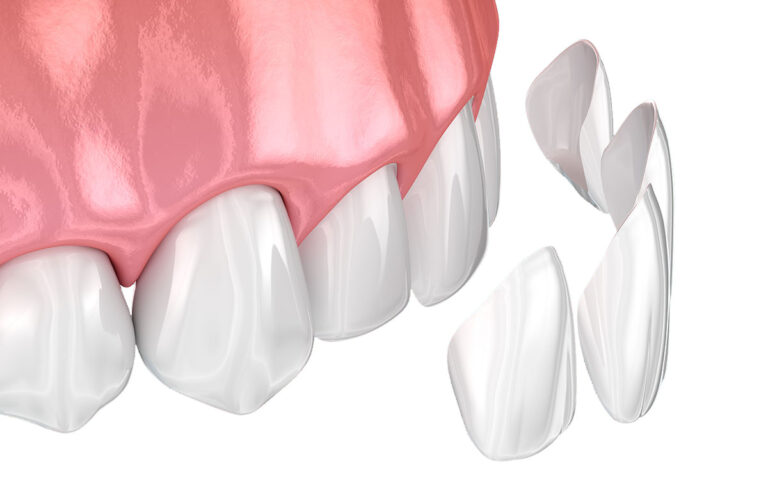
What Are Veneers?
So, what are veneers exactly?
Veneers are thin, custom-made coverings that are bonded to the front surface of teeth to improve their appearance. They are designed to enhance the colour, shape, size, or alignment of teeth while maintaining a natural-looking result.
Dental veneers are individually crafted to suit each patient’s smile. They are commonly used in cosmetic dentistry where patients wish to address:
Tooth discolouration that has not responded to whitening
Minor chips or cracks
Small gaps between teeth
Uneven or irregular tooth shapes
Worn enamel
Veneer teeth are considered an elective cosmetic treatment. A comprehensive dental examination is required to determine whether teeth veneers are clinically appropriate for your individual circumstances.
Types of Dental Veneers
There are two primary types of dental veneers commonly offered in modern dentistry: porcelain veneers and composite veneers. Each material has different characteristics, benefits, and considerations.
Porcelain Veneers
Porcelain veneers are fabricated in a dental laboratory using high-quality ceramic materials. They are custom-designed to match the natural translucency and shade of surrounding teeth.
Porcelain veneers are often selected for:
Their natural appearance
Resistance to staining
Durability with appropriate care
Long-term colour stability
The process for porcelain veneer teeth typically requires at least two appointments, as the restorations are created externally in a laboratory.
Composite Veneers
Composite veneers are made from tooth-coloured resin material and are usually applied directly to the teeth during a dental visit.
Composite veneers may be suitable for:
Minor cosmetic adjustments
Patients seeking a lower-cost option
Cases where treatment time needs to be shorter
Composite veneers can often be completed in a single appointment. However, compared to porcelain, they may be more susceptible to staining or wear over time.
Your dentist will explain the advantages and limitations of both types of veneers and recommend an option based on your oral health, goals, and preferences.
The Veneer Process: What to Expect
If you are considering teeth veneers, understanding the process can help you make an informed decision.
1. Initial Consultation
The first step is a detailed dental consultation. During this appointment, your dentist will:
Assess your oral health
Review your medical and dental history
Discuss your aesthetic concerns
Explain alternative treatment options
Outline risks, benefits, and limitations
Not all patients are suitable candidates for veneer teeth. Issues such as untreated decay, gum disease, or significant teeth grinding may need to be managed before cosmetic treatment is considered.
2. Treatment Planning and Tooth Preparation
If veneers are appropriate, your dentist Hornsby will begin planning the treatment. For many cases, a small amount of enamel is removed from the front surface of the tooth. This allows the veneer to sit naturally and prevents it from appearing bulky.
For porcelain veneers, impressions or digital scans are taken and sent to a dental laboratory. Temporary veneers may be placed while the final restorations are being fabricated.
For composite veneers, the resin material is applied and sculpted directly onto the tooth surface during the visit.
3. Bonding and Final Placement
Once the veneers are ready, they are carefully checked for fit, shape, and colour before being bonded to the teeth using a dental adhesive.
Your dentist will assess your bite and make necessary adjustments to ensure comfort and function.
Follow-up visits may be recommended to monitor the veneers and surrounding gum health.
Important Considerations Before Choosing Veneers
While veneers can enhance the appearance of teeth, there are important factors to consider:
Tooth preparation may involve irreversible enamel removal
Veneers may require replacement in the future
Good oral hygiene is essential to maintain results
Regular dental check-ups are required
Results vary depending on the individual case
Veneers are not a substitute for orthodontic treatment in cases of significant misalignment. Your dentist will advise whether alternative treatments may be more appropriate.
Who May Be Suitable for Teeth Veneers?
Teeth veneers may be considered for individuals who:
Have healthy teeth and gums
Do not have untreated decay or active gum disease
Have realistic expectations about cosmetic outcomes
Understand the maintenance requirements
A personalised consultation is essential to determine clinical suitability.
Alternatives to Veneers
When asking what are veneers, it is equally important to understand that veneers are only one of several cosmetic dental options.
Depending on your concerns, alternatives may include:
Professional teeth whitening
Orthodontic treatment
Dental bonding
Crowns (in cases of significant damage)
Your dentist will discuss all available options so you can make an informed decision.
Making an Informed Decision
Choosing cosmetic dental treatment is a personal decision. Understanding what are veneers, how they work, and their potential risks allows you to evaluate whether they align with your goals.
A thorough consultation ensures that you:
Understand the procedure clearly
Are aware of risks and limitations
Know the expected maintenance requirements
Receive a tailored treatment plan
Cosmetic dentistry should always prioritise oral health alongside aesthetic considerations.
Considering Veneers? Speak With Our Team
If you would like personalised advice about veneers, the team at Hornsby Dental can provide a comprehensive consultation to assess your oral health and discuss suitable treatment options.
During your appointment, we will explain the differences between porcelain and composite veneers, outline potential risks and benefits, and provide a detailed treatment plan tailored to your needs.
To learn more about dental veneers or to arrange a consultation, contact Hornsby Dental. Our team is here to help you make an informed decision about your smile.
Final Thoughts: What Are Veneers and Are They Right for You?
To summarise, veneers are thin coverings bonded to the front surface of teeth to improve their appearance. Available as porcelain veneers or composite veneers, they can address concerns such as discolouration, minor chips, gaps, or uneven shape.
However, veneer teeth are not suitable for every patient. The best way to determine whether teeth veneers are appropriate for you is through a professional dental assessment.
If you are considering dental veneers, booking a consultation with a qualified dental practitioner will provide personalised advice based on your oral health and cosmetic goals.
An informed decision begins with understanding your options — and professional guidance ensures your treatment plan supports both your smile and your long-term dental health.