
Veneer Teeth – A Guide to Dental Veneers
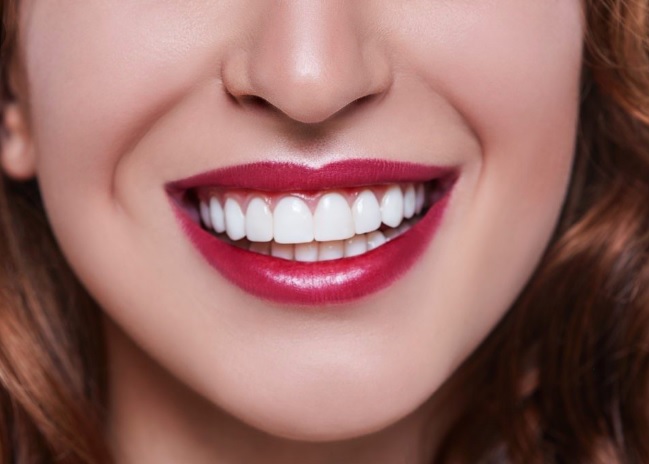
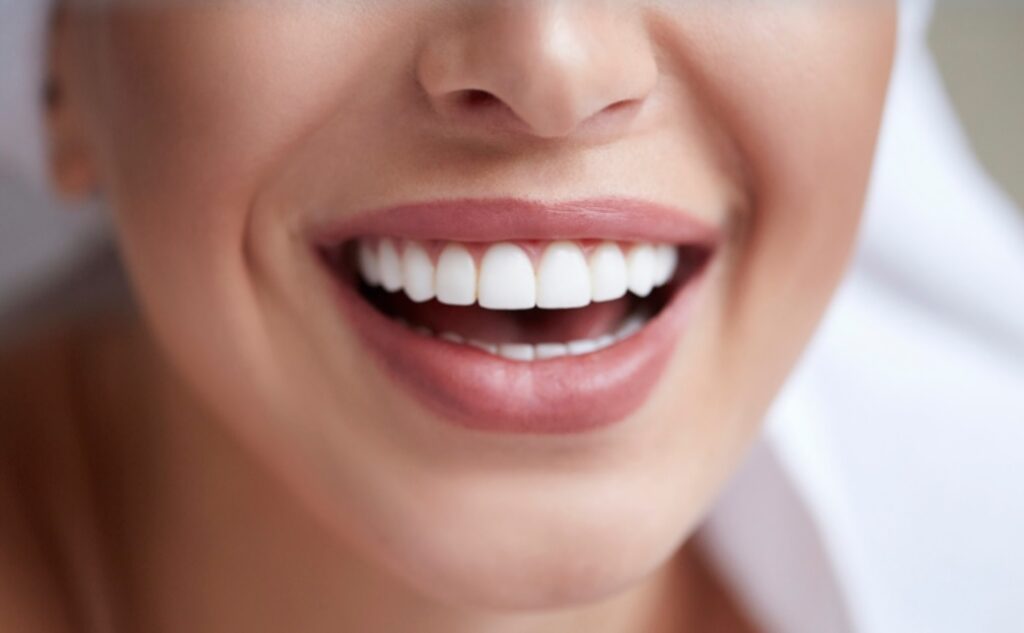
In cosmetic dentistry, veneer teeth are a commonly requested treatment option for patients who wish to improve the appearance of their smile. Veneers are thin layers of material bonded to the front surface of natural teeth. They are designed to modify the size, shape, colour, or proportions of teeth for aesthetic purposes.
Dental veneers are often considered by patients who have concerns such as tooth discolouration, minor chips, small gaps, or irregularly shaped teeth. Before proceeding, it is important to understand how veneers work, their benefits and limitations, and whether they are suitable for your individual oral health needs.
This guide outlines what teeth veneers involve and key considerations before making a decision.
What Are Veneers?
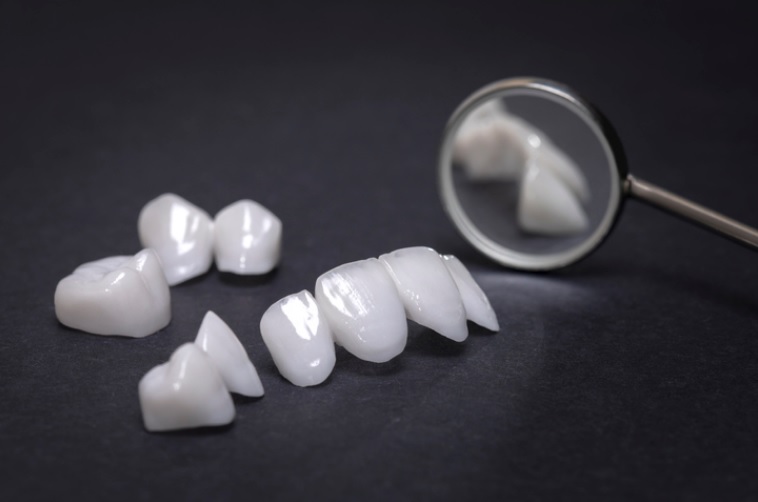
Dental veneers are custom-made restorations that cover the front surface of teeth. They are primarily cosmetic and are used to improve the visual appearance of teeth rather than to restore major structural damage.
Veneer teeth are commonly used to address:
Intrinsic staining that does not respond to whitening
Minor fractures or chips
Small gaps between teeth
Slight misalignment or uneven edges
Teeth that appear too small or irregular in shape
Veneers are bonded to prepared teeth using dental adhesive. In most cases, a small amount of enamel is removed to allow proper placement and alignment. Because enamel does not regenerate, this process is generally irreversible.
A clinical examination and consultation are required to determine whether dental veneers are appropriate for your situation.
Types of Veneers Available
There are two main types of veneers typically offered:
Porcelain veneers
Composite veneers
Both materials can improve the appearance of teeth veneers, but they differ in fabrication method, durability, cost, and maintenance requirements.
Porcelain Veneers
Porcelain veneers are fabricated in a dental laboratory using ceramic material. They are custom-designed based on impressions or digital scans taken during preparation.
Characteristics of porcelain veneers include:
A natural translucency that resembles enamel
Greater resistance to staining compared to composite materials
Longer laboratory fabrication time
Typically requiring multiple appointments
Porcelain veneer teeth may last several years with appropriate care, although longevity varies depending on oral hygiene, bite forces, and lifestyle factors.
Composite Veneers
Composite veneers are made from tooth-coloured resin material. They are often sculpted and bonded directly to the teeth during a single visit.
Characteristics of composite veneers include:
Lower initial cost compared to porcelain
Quicker treatment process
Easier repair if chipped
May be more prone to staining over time
Composite veneer teeth may require more maintenance and may not last as long as porcelain options in some cases.
Your dentist will discuss which material may be more suitable for your clinical condition and goals.
Why Patients Consider Veneer Teeth
Veneers are often chosen by patients seeking aesthetic improvements to their smile. Some individuals consider dental veneers after whitening treatments have not achieved their desired shade. Others may wish to address minor cosmetic concerns without undergoing orthodontic treatment.
It is important to note that veneers are not suitable for all cases. More complex alignment issues, significant tooth damage, or active dental disease may require alternative treatments.
During consultation, your dentist will assess:
Overall oral health
Gum condition
Tooth structure
Bite alignment
Expectations and goals
This ensures that teeth veneers are recommended only when clinically appropriate.
Cost Considerations
One of the common concerns about veneer teeth is cost. The total investment varies depending on:
The number of teeth being treated
The material selected (porcelain or composite)
Case complexity
Laboratory involvement
Individual treatment planning requirements
Because each case is different, an accurate quote can only be provided following examination and treatment planning.
Patients are encouraged to consider not only the initial cost but also long-term maintenance. Veneers may eventually require repair or replacement due to wear, damage, or changes in surrounding teeth.
At Hornsby Dental, payment plan options may be available for eligible patients. Details can be discussed during consultation.
Important Considerations Before Choosing Veneers
While veneers offer aesthetic improvements, there are several important factors to consider.
1. Irreversibility
Because enamel is typically removed during preparation, veneer teeth are considered a permanent alteration to the natural tooth. Future replacement may be required over time.
2. Longevity
Although veneers are durable, they are not permanent. Over time, they may require replacement due to wear, marginal staining, or damage. Proper oral hygiene and regular dental check-ups contribute to longevity.
3. Maintenance
Veneers require ongoing care similar to natural teeth, including:
Brushing twice daily
Daily flossing
Regular professional cleans
Avoiding excessive biting forces
Wearing a night guard if recommended
Good maintenance helps reduce the risk of complications.
4. Sensitivity
Some patients may experience temporary sensitivity following enamel preparation. This usually improves over time, but patients should be aware of the possibility before proceeding.
5. Suitability
Not all patients are suitable candidates for dental veneers. Conditions such as untreated decay, gum disease, or significant enamel loss must be addressed before cosmetic treatment is considered.
A thorough assessment ensures veneers are placed on healthy, stable teeth.
Veneers Compared to Crowns
In some situations, patients may ask whether veneers or crowns are more appropriate. Veneers typically require less removal of tooth structure compared to crowns. However, crowns may be more suitable for teeth with extensive damage or structural compromise.
Your dentist Hornsby will recommend the most appropriate treatment based on your clinical needs rather than cosmetic preference alone.
The Consultation Process
If you are considering veneer teeth, the first step is a comprehensive consultation.
During this appointment, your dentist will:
Examine your teeth and gums
Take photographs or digital scans if required
Discuss your concerns and expectations
Explain risks, benefits, and alternatives
Provide a personalised treatment plan
This ensures that any decision to proceed with dental veneers is informed and appropriate for your circumstances.
Patients are encouraged to ask questions and take time to consider their options before making a commitment.
Final Thoughts
Veneer teeth are a widely used cosmetic dental option for improving the appearance of stained, chipped, or uneven teeth. Dental veneers can modify the shape, size, and colour of teeth veneers, helping patients address specific aesthetic concerns.
However, veneers involve permanent changes to natural tooth structure and require long-term care. Understanding the procedure, maintenance requirements, and potential limitations is essential before proceeding.
If you are exploring whether veneers may be suitable for you, booking a consultation allows for personalised advice based on your oral health and goals. A professional assessment ensures that any treatment plan supports both aesthetics and long-term dental health.