
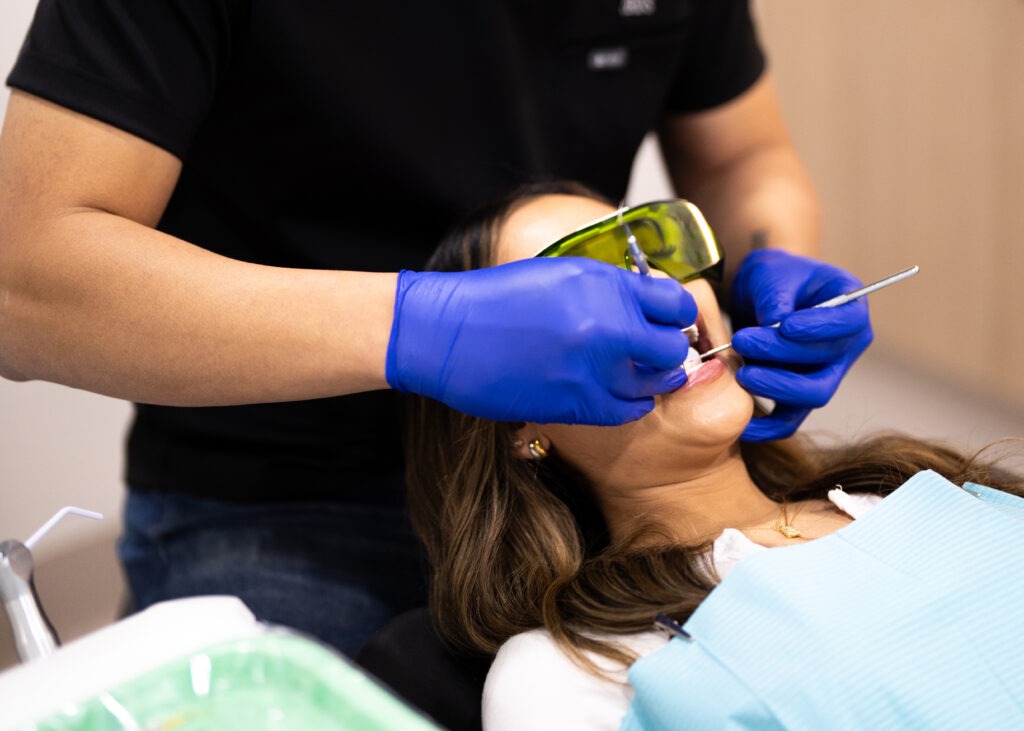
At our practice, preserving your natural teeth is always our primary goal. However, when an extraction becomes necessary to protect your overall oral health, prevent infection, or alleviate chronic pain, your comfort becomes our absolute priority.
Whether you are dealing with a deeply impacted wisdom tooth, severe decay, structural damage, or simply preparing your smile for orthodontic alignment, our experienced team is here to support you. We combine state-of-the-art diagnostic imaging with advanced, gentle clinical techniques to ensure a smooth, virtually pain-free procedure.
From the moment you step into our clinic to your personalised aftercare plan, we are dedicated to making your experience stress-free and your recovery as fast and comfortable as possible.
Preventive dentist work hand in hand with their patients to ensure that their oral health is in tip top shape. This in turn reduces the likelihood of tooth problems and other related issues they can experience.
Most of the services of preventive dentistry falls under the category of general and diagnostic services such as examinations, cleanings, dental x-rays, fluoride treatments and the likes. With that being said, there are a few cases in which a preventive dentist will involve themselves with a few surgical procedures.
One of them is wisdom teeth removal. Let us look at what a preventive dentist plays in removing your wisdom teeth.
It should be noted that the wisdom teeth removal is considered to be a pretty much common preventive practice. However, not all wisdom tooth need to be extracted.
There are a number of factors that needs to be considered for clients when deciding to have their wisdom teeth extracted.
Tooth extraction happens on a regular day to day basis compared to wisdom teeth removal. This is because patients will have to weigh in a number of risks and benefits as to how the procedure will have an impact on their quality of life.
Preventive dentistry makes sure to work hand in hand with their clients in order to come up with a decision.
Wisdom teeth removal is done to patients on a case by case basis. For many, the wisdom teeth are able to emerge straight and fit comfortably in the mouth without needing any extraction.
On the other hand, a number of patients have their wisdom tooth emerged in a complicated position or no room for growth which can result to a number of dental health problems.
Even if you feel that your wisdom tooth is safe, some dentist may find the need to have them extracted as a preventive measure against the possibility of complications in the future. For that matter, it is important that you have this consulted with your dental care provider or perhaps get a second opinion to finalise your decision.
Safety is one of the main reasons as to why a tooth extraction procedure may be advised to patients. There is always a potential for your wisdom tooth to harbour diseases regardless of the absence of symptoms.
Furthermore, it is difficult to tell what will happen with your wisdom tooth. This is the reason why a number of preventive dentistry practitioners find it safer to simply remove them before they can cause issues later down the line.
Age is also a deciding factor especially since having your wisdom teeth removed at an early age reduces future risks. On the other hand, there is a likelihood of older adults to experience a number of risks and complications before, during, or after the tooth extraction.
Bone grafting is a procedure used to rebuild or strengthen areas of the jaw where bone has been lost or is insufficient. This can occur following tooth loss, gum disease, trauma or other dental conditions.
During the procedure, grafting material is placed in the area where additional bone is needed, creating a framework that allows your own bone to grow and develop over time. The aim is to restore the volume and strength of the jawbone, which can provide a more stable foundation for dental implants and other restorative treatments.
Depending on the amount of bone required, healing may take several months before the next stage of treatment can be completed. Your dentist or oral surgeon will assess your individual needs and recommend the most appropriate approach for you.

Access our detailed price guide to understand the investment in your dental care options.