
Dental Veneers Before and After: What to Expect
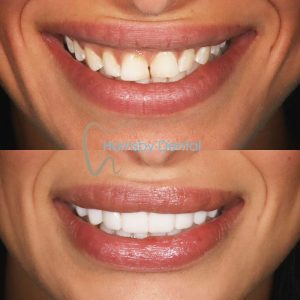
Many patients researching cosmetic dental treatment are interested in seeing dental veneers before and after examples. These comparisons help illustrate how veneers may change the appearance of teeth affected by discolouration, minor chips, gaps, or irregular shape.
While before and after veneers images can demonstrate aesthetic improvements, results vary depending on individual oral health, tooth structure, and treatment planning. A personalised consultation is essential to determine suitability and expected outcomes.
In this article, we explore the process behind dental veneers before and after transformations, including materials, procedure steps, risks, and considerations.
Understanding Dental Veneers
Dental veneers are thin, custom-made shells designed to cover the front surface of teeth. They are commonly used for cosmetic purposes to improve the appearance of teeth that are:
Discoloured or resistant to whitening
Worn down
Slightly misaligned
Chipped or fractured
Irregular in size or shape
There are two primary types of dental veneers:
Porcelain veneers
Composite veneers
Both materials can alter the visible appearance of teeth veneers before and after treatment, but they differ in durability, cost, and fabrication process.
Types of Dental Veneers
Porcelain Veneers
Porcelain veneers are laboratory-fabricated ceramic shells bonded to prepared teeth. They are often selected for their translucency and resistance to staining compared to natural enamel.
Characteristics of porcelain veneers include:
Multiple appointment process
Greater resistance to staining
Custom fabrication in a dental laboratory
Typically longer lifespan compared to composite options
However, porcelain veneers involve enamel removal and are generally irreversible.
Composite Veneers
Composite veneers are made from tooth-coloured resin material and are typically applied directly to the teeth during a single visit.
Characteristics include:
Shorter treatment time
Lower upfront cost compared to porcelain
Easier repair if chipped
May be more prone to staining over time
When reviewing teeth veneers before and after results, the material chosen can influence longevity and maintenance requirements.
The Dental Veneers Before and After Transformation Journey
Understanding the process behind before and after veneers results helps patients set realistic expectations.
1. Consultation and Planning
The first step involves a comprehensive consultation with a qualified dental practitioner. During this appointment:
Your oral health is assessed
Photographs, X-rays, or digital scans may be taken
Your concerns and expectations are discussed
Treatment options and alternatives are explained
Not every patient is suitable for dental veneers. Healthy gums, adequate enamel, and stable bite alignment are important factors.
If veneers are not appropriate, alternative treatments may be recommended.
2. Preparation of Teeth
If proceeding with porcelain veneers, a small amount of enamel is usually removed from the front surface of the teeth. This allows the veneers to sit flush and appear natural.
Impressions or digital scans are then sent to a laboratory for fabrication. Temporary veneers may be placed while waiting for the final restorations.
For composite veneers, preparation may be more conservative, and placement often occurs in the same visit.
Because enamel removal is permanent, this step should be carefully considered when reviewing the pros and cons associated with dental veneers before and after outcomes.
3. Bonding the Veneers
Once porcelain veneers are returned from the laboratory, the dentist Hornsby checks their fit, shape, and colour before bonding.
The teeth are cleaned and prepared to ensure adequate adhesion. Dental cement is applied, and a curing light is used to secure the veneers in place. Final adjustments are made to ensure proper bite alignment and comfort.
Composite veneers are sculpted directly onto the teeth and hardened using a curing light.
After placement, patients can compare their teeth veneers before and after results. However, outcomes vary between individuals.
Benefits of Dental Veneers
When reviewing dental veneers before and after cases, potential advantages may include:
Improved Appearance
Veneers can modify the visible shape, size, and shade of teeth. This may create a more uniform appearance where cosmetic concerns previously existed.
It is important to note that veneers do not correct significant orthodontic issues or major structural damage.
Customisation
Both porcelain veneers and composite veneers are customised to the individual. Treatment planning considers facial proportions, tooth dimensions, and bite alignment.
However, aesthetic preferences should be balanced with functional and oral health considerations.
Durability
Porcelain veneers may last several years with appropriate care, while composite veneers may have a shorter lifespan. Longevity depends on oral hygiene, bite forces, and lifestyle habits.
No dental restoration is permanent, and replacement may be required over time.
Candidacy for Veneers
Not all patients are suitable candidates for veneer treatment.
Ideal candidates typically:
Have healthy gums
Do not have untreated tooth decay
Have sufficient enamel for bonding
Do not have severe bruxism (teeth grinding) without management
If you are unsure whether veneers are appropriate, a consultation allows for a personalised assessment.
Porcelain vs Composite Veneers
When reviewing veneers before and after comparisons, patients often ask about the differences between porcelain and composite options.
Durability
Porcelain veneers are generally more resistant to staining and may last longer than composite veneers. However, they are more expensive and require laboratory fabrication.
Composite veneers are more affordable initially but may require maintenance or replacement sooner in some cases.
Cost Considerations
Cost varies depending on the number of teeth treated, complexity, and material selection. A written treatment plan outlining all fees should be provided before proceeding.
Patients are encouraged to consider long-term maintenance costs as well as the initial investment.
Aesthetic Differences
Porcelain veneers may offer greater translucency and surface polish. Composite veneers can also provide natural-looking results but may not replicate enamel characteristics to the same degree.
Final results depend on case planning and clinical execution.
Veneers and Oral Health
Maintenance Requirements
Maintaining veneers requires:
Brushing twice daily
Flossing daily
Regular professional cleans
Avoiding excessive force or biting hard objects
If teeth grinding is present, a night guard may be recommended.
Potential Risks
When evaluating dental veneers before and after treatment, patients should understand potential risks, including:
Irreversible enamel removal
Tooth sensitivity
Veneer debonding or chipping
Need for replacement over time
Discussing risks during consultation ensures informed consent.
The Role of Hornsby Dental
At Hornsby Dental, veneer treatment is provided following comprehensive examination and personalised planning.
Patients receive:
Detailed consultation
Discussion of risks and alternatives
Customised treatment planning
Written cost breakdown
Recommendations are based on clinical suitability and patient goals.
Making the Decision
Before proceeding with dental veneers, it is important to carefully review:
Benefits and limitations
Long-term maintenance
Cost considerations
Alternative treatments
Seeing dental veneers before and after examples can help visualise possible outcomes, but individual results vary.
Conclusion
Reviewing dental veneers before and after cases can provide insight into how veneers may alter the appearance of teeth affected by cosmetic concerns. Both porcelain veneers and composite veneers offer aesthetic improvements in suitable candidates, but they involve permanent changes to tooth structure and require ongoing care.
The contrast seen in teeth veneers before and after results highlights potential aesthetic enhancement; however, outcomes depend on individual circumstances, clinical planning, and maintenance.
If you are considering veneers, scheduling a consultation allows for a comprehensive assessment and personalised advice. Understanding the procedure, risks, and long-term considerations ensures that any decision made supports both your aesthetic goals and oral health.