
Discover Teeth Veneers:
A Guide to Dental Veneers in Hornsby
In today’s world, many people seek ways to improve the appearance of their smile. If you are considering cosmetic dental treatment, teeth veneers may be one option worth exploring. But what exactly are dental veneers, and how do they work?
This article explains what veneers are, the different types available, the treatment process, and important considerations to help you make an informed decision. If you are researching options in Hornsby, this guide will help you understand whether veneer teeth may be suitable for your needs.
What Are Veneers?
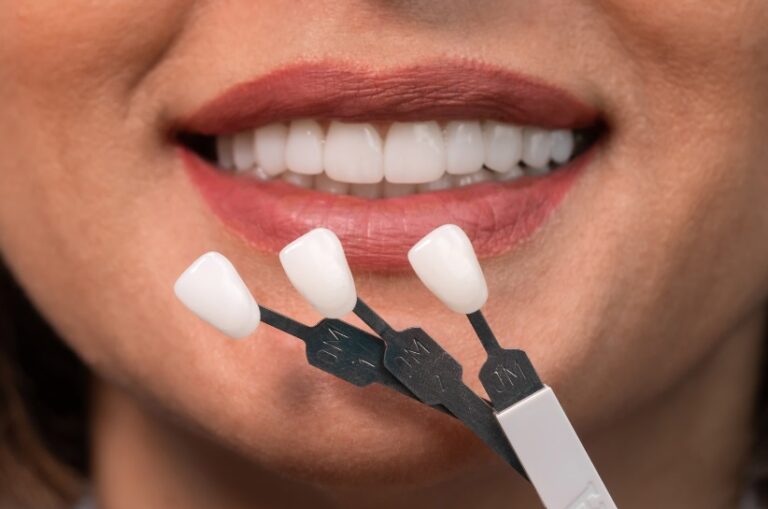
Teeth veneers are thin, custom-made shells designed to cover the front surface of teeth. They are used in cosmetic dentistry to improve the appearance of teeth that may be discoloured, chipped, worn, uneven, or slightly misaligned.
Dental veneers are bonded to the front of the teeth to enhance shape, colour, and overall symmetry. Treatment is tailored to each patient, and outcomes vary depending on the individual’s oral health, goals, and clinical suitability.
Veneers may be considered where concerns include:
Tooth discolouration that has not responded to whitening
Minor chips or cracks
Small gaps between teeth
Mild irregularities in tooth shape or size
Worn enamel
A thorough dental assessment is required to determine whether veneer teeth are appropriate for your specific situation.
Why Do Patients Consider Veneers?
Many people explore dental veneers to improve smile aesthetics. Veneers are designed to blend with surrounding natural teeth and are customised in colour and shape to suit each individual.
Some potential benefits of veneers may include:
A more uniform tooth appearance
Improved colour consistency
Reshaping of uneven teeth
A minimally invasive cosmetic option (in suitable cases)
It is important to note that veneers are not suitable for everyone. Patients must have healthy teeth and gums before undergoing cosmetic procedures. Any existing decay or gum disease must be treated first.
Your dentist Hornsby will discuss the expected outcomes, limitations, risks, and maintenance requirements before proceeding.
Types of Veneers
There are two primary types of teeth veneers commonly offered in dental practice:
1. Porcelain Veneers
Porcelain veneers are fabricated in a dental laboratory using durable ceramic materials. They are custom-made to match the size, shape, and shade agreed upon during treatment planning.
Porcelain veneers are known for:
A natural-looking translucency
Resistance to surface staining
Durability with appropriate care
Long-term aesthetic stability
Porcelain veneers typically require at least two appointments, as they are created externally in a dental lab.
2. Composite Veneers
Composite veneers are made from tooth-coloured resin material and are usually applied directly to the teeth during a dental visit.
Composite veneers may offer:
A more cost-effective option
Shorter treatment time (often completed in one visit)
Repairability in some cases
However, composite veneers may be more prone to staining and wear over time compared to porcelain veneers.
Your dentist can explain the differences between porcelain veneers and composite veneers and help you decide which option may align with your goals and budget.
Understanding the Veneer Process
The process of receiving veneers typically involves several stages to ensure safety, comfort, and suitability.
1. Consultation and Assessment
The first step is a comprehensive consultation. During this appointment, your dentist will:
Assess your oral health
Discuss your concerns and expectations
Take photographs or digital scans
Explain treatment options, risks, and alternatives
Not all patients are candidates for veneer teeth. Conditions such as active gum disease, significant tooth decay, or teeth grinding may need to be addressed before treatment.
2. Treatment Planning and Preparation
If you proceed with treatment, preparation may involve removing a small amount of enamel from the front surface of the tooth. This allows space for the veneer to sit naturally and avoids excessive bulk.
For porcelain veneers, impressions or digital scans are sent to a dental laboratory for fabrication. Temporary veneers may be placed while the final restorations are being made.
For composite veneers, the resin material is sculpted directly onto the tooth and shaped carefully.
3. Bonding and Final Placement
Once the veneers are ready, they are checked for fit, colour, and comfort. Adjustments can be made before bonding.
The teeth are cleaned and prepared, and a dental adhesive is used to secure the veneers in place. Your dentist will check your bite and ensure the veneers feel natural.
Follow-up appointments may be recommended to monitor function and comfort.
Considerations Before Choosing Veneer Teeth
While teeth veneers can improve the appearance of your smile, there are important considerations to keep in mind:
Enamel removal is generally irreversible
Veneers may eventually require replacement
Good oral hygiene is essential to maintain results
Teeth grinding can damage veneers
Regular dental check-ups are required
Your dentist should provide detailed information about potential risks and long-term care requirements before proceeding.
Caring for Dental Veneers
Maintaining veneer teeth is similar to caring for natural teeth. Patients are advised to:
Brush twice daily with non-abrasive toothpaste
Floss daily
Attend regular dental examinations and cleans
Avoid biting hard objects (e.g., ice or pens)
Consider a night guard if grinding is present
With appropriate care, porcelain veneers and composite veneers can remain functional and aesthetically pleasing for many years. However, longevity varies between individuals.
The Role of Professional Guidance
Choosing to undergo cosmetic dental treatment is a personal decision. A detailed consultation ensures you understand:
Whether veneers are clinically appropriate
Expected outcomes based on your case
Treatment alternatives (such as whitening or orthodontics)
Financial considerations
Maintenance commitments
A tailored treatment plan should always prioritise oral health alongside aesthetics.
The Future of Cosmetic Dentistry with Veneers
Advances in dental materials and digital technology continue to refine the way dental veneers are designed and placed. Digital smile design, 3D scanning, and improved bonding systems allow for precise planning and fabrication.
While veneers remain a widely requested cosmetic procedure, they are just one of many treatment options available. A comprehensive assessment ensures the chosen treatment aligns with both functional and aesthetic needs.
Is It Time to Explore Teeth Veneers?
If you are considering teeth veneers, the first step is a professional consultation. An experienced dental practitioner can assess your oral health, discuss your goals, and determine whether porcelain veneers or composite veneers may be suitable for you.
Every smile is unique, and treatment outcomes vary from person to person. Understanding the process, benefits, risks, and long-term maintenance requirements is essential before making a decision.
Final Thoughts
Teeth veneers are a well-established cosmetic dental option designed to enhance the appearance of teeth affected by discolouration, minor damage, or irregular shape. Available as both porcelain veneers and composite veneers, this treatment can be customised to suit individual preferences and clinical needs.
If you are interested in learning more about veneer teeth and whether they may be appropriate for you, booking a consultation with a qualified dental professional is the most reliable way to begin.
A healthy smile starts with informed decisions — and professional guidance ensures you choose the option that best supports both your oral health and aesthetic goals.