Veneers:
Porcelain and Composite Options Explained
Teeth can become chipped, worn, discoloured, or slightly misaligned due to trauma, ageing, or natural variation. In some situations, these concerns can be addressed with restorative or cosmetic dental treatments rather than tooth extraction. One commonly requested option is veneers.
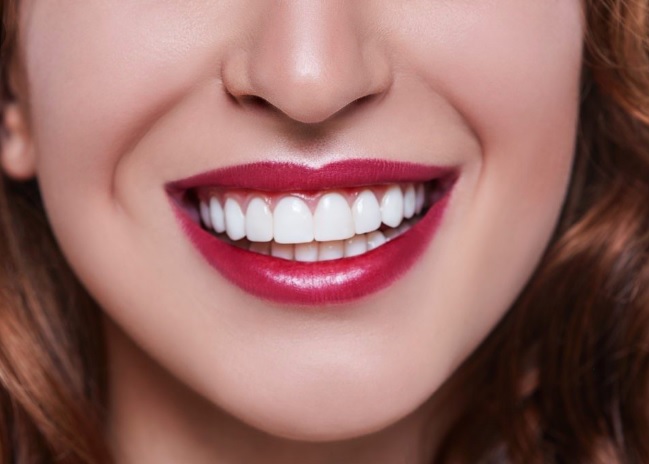
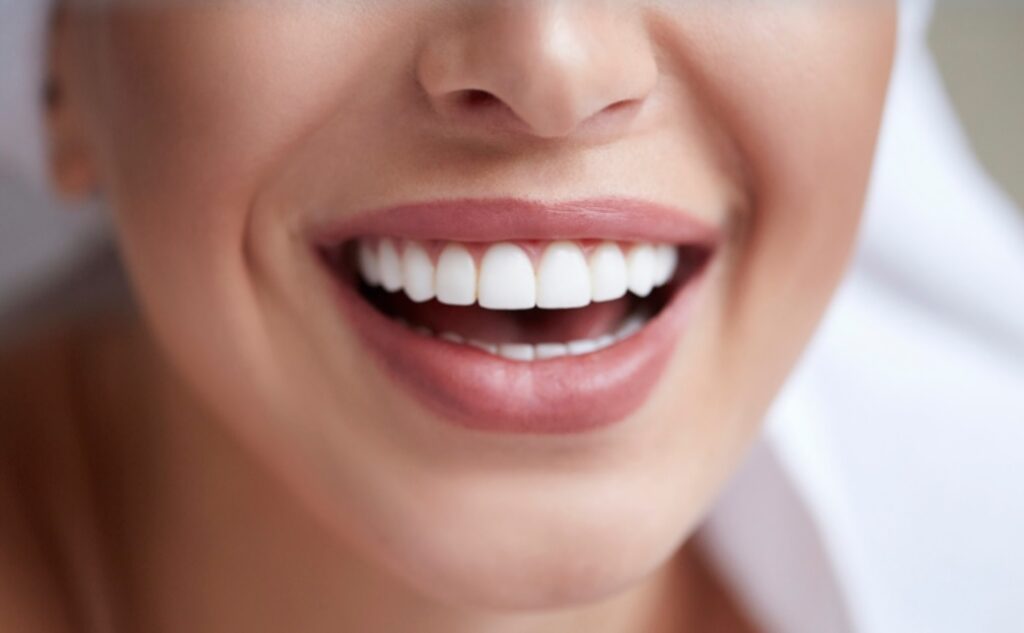
Veneers are thin coverings bonded to the front surface of teeth to improve their appearance. They are often considered when patients wish to address cosmetic concerns involving the visible front teeth. This article explains what teeth veneers are, the types available, how veneer teeth are placed, and the factors that influence cost.
Understanding the benefits, limitations, and long-term considerations can help you make an informed decision.
What Are Veneers?
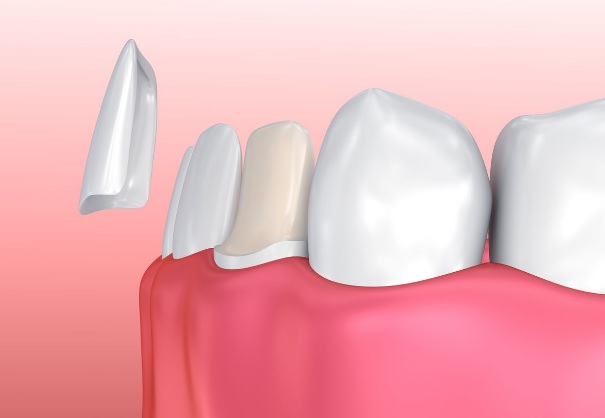
Teeth veneers are custom-made shells designed to cover the front surface of natural teeth. They are typically used to improve the appearance of:
Chipped or slightly cracked teeth
Teeth with intrinsic staining
Minor gaps between teeth
Irregularly shaped teeth
Mild alignment concerns
Veneers are bonded to existing teeth using dental adhesive. In most cases, a small amount of enamel is removed to allow proper fit and alignment. Because enamel removal is required, veneers are generally considered an irreversible procedure.
Veneer teeth are primarily cosmetic in nature. While they may improve the appearance of teeth, they do not strengthen weakened teeth in the same way as full crowns. Suitability depends on overall oral health, including gum condition and bite alignment.
A consultation with a cosmetic dentist is necessary to determine whether veneers are appropriate or whether alternative treatments may be more suitable.
Types of Dental Veneers
There are two main types of veneers commonly offered:
Porcelain veneers
Composite veneers
Both options have different characteristics, and the most appropriate choice depends on the patient’s goals, budget, and clinical condition.
Porcelain Veneers
Porcelain veneers are fabricated in a dental laboratory using ceramic material. They are custom-designed to match surrounding teeth in colour and shape.
Characteristics of porcelain veneers include:
A natural appearance due to light-reflecting properties
Resistance to surface staining
Durability with appropriate care
Multiple appointments required for fabrication and placement
Porcelain veneers typically involve two or more visits: one for preparation and impressions or digital scans, and another for bonding the final veneers once fabricated.
Composite Veneers
Composite veneers are made from tooth-coloured resin material and are often applied directly to the teeth during a single appointment.
Characteristics of composite veneers include:
Lower initial cost compared to porcelain veneers
Shorter treatment time
Easier repair if chipped
May be more prone to staining over time
Composite veneers may require more maintenance and may not last as long as porcelain veneers, depending on oral habits and care.
Discussing the pros and cons of porcelain veneers and composite veneers with your dentist will help determine which material suits your needs.
How Much Are Teeth Veneers?
A common question patients ask is about veneers cost in Sydney.
The cost of veneers varies depending on:
The type of material used
The number of teeth being treated
Case complexity
Laboratory fees (for porcelain veneers)
The experience of the treating dentist
In Sydney, composite veneers are often priced approximately between $800 and $1,000 per tooth, while porcelain veneers may range around $1,500 to $2,500 per tooth. These figures are general estimates and may vary between clinics and individual treatment plans.
A personalised consultation is required to provide an accurate quote.
When considering veneer teeth price, it is important to understand what is included in the treatment plan, such as consultation, preparation, temporary restorations (if needed), and follow-up reviews.
Veneers at Hornsby Dental
At Hornsby Dental, both composite veneers and porcelain veneers are available following a comprehensive consultation and assessment.
Patients are provided with a written treatment plan outlining:
The number of veneers recommended
Material options
Risks and limitations
Maintenance requirements
Total cost of treatment
To assist with affordability, Hornsby Dental offers payment options for eligible patients:
Composite veneers – Interest-free payment plan from $30 per week
Porcelain veneers – Interest-free payment plan starting from $57 per week
Payment plans are subject to approval and terms and conditions. Details are discussed during consultation.
Providing payment options allows patients to consider treatment while managing financial commitments over time.
The Veneers Procedure
Although the process may vary depending on the type of veneers selected, treatment generally involves the following stages:
1. Consultation and Assessment
Your dentist Hornsby will assess your oral health, take photographs or scans if required, and discuss your aesthetic goals. Alternative treatments may also be discussed.
2. Treatment Planning
A customised plan is developed to determine the number of veneer teeth required and the appropriate material.
3. Tooth Preparation
For porcelain veneers, a small amount of enamel is removed from the front of the teeth. Local anaesthetic may be used depending on the extent of preparation and patient comfort.
For composite veneers, minimal preparation may be required.
4. Fabrication and Placement
Porcelain veneers are fabricated in a laboratory before being bonded to the teeth. Composite veneers are typically sculpted and bonded directly during the appointment.
5. Review and Aftercare
Follow-up visits may be scheduled to ensure comfort and function. Ongoing maintenance includes routine dental check-ups and good oral hygiene.
Are Veneers Right for You?
Veneers may be suitable for individuals seeking aesthetic improvements to visible teeth. However, they may not be recommended for patients with:
Active gum disease
Untreated tooth decay
Severe teeth grinding without management
Significant enamel loss
Because veneers involve permanent changes to tooth structure, careful consideration is important.
Weighing the advantages and limitations of teeth veneers can help determine whether this treatment aligns with your expectations and long-term oral health.
Importance of Choosing a Qualified Dentist
The outcome of veneer teeth treatment depends not only on materials but also on clinical planning and technique.
When considering veneers, patients are encouraged to:
Review the dentist’s qualifications and experience
Ask about treatment stages and longevity
Discuss risks and potential complications
Request a written treatment plan
Open communication allows patients to feel informed and comfortable before proceeding.
Final Thoughts
Veneers are a widely used cosmetic dental option for improving the appearance of chipped, stained, or uneven teeth. Both porcelain veneers and composite veneers have distinct characteristics, and suitability depends on individual oral health and aesthetic goals.
If you are considering teeth veneers, booking a consultation allows you to receive personalised advice and a detailed treatment plan. At Hornsby Dental, patients are offered both composite and porcelain options, along with available interest-free payment plans from $30 per week for composite veneers and from $57 per week for porcelain veneers.
Speaking directly with a qualified dental professional ensures you understand the procedure, risks, costs, and long-term maintenance before making a decision.