
Veneers Teeth Pros and Cons
When considering cosmetic dental treatment, many patients research the veneers teeth pros and cons before deciding whether the procedure is suitable for them. Veneers are commonly used to improve the appearance of teeth affected by discolouration, minor damage, irregular shape, or small gaps. However, like any dental treatment, they have advantages and limitations.
Understanding the dental veneers pros and cons allows patients to make informed decisions based on their oral health, expectations, and long-term considerations.
This guide outlines the pros and cons of veneers, including important factors such as durability, cost, maintenance, and eligibility.
What Are Veneers?
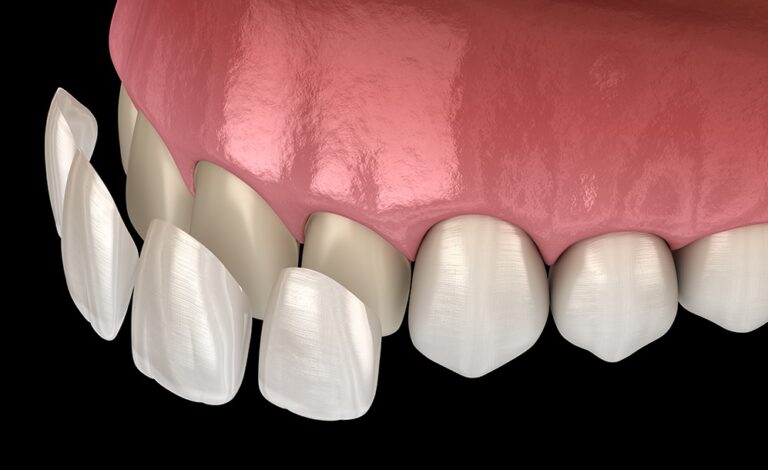
Dental veneers are thin coverings bonded to the front surface of natural teeth to improve their appearance. Veneer teeth are typically made from either porcelain or composite resin materials.
They may be considered for:
Teeth with intrinsic staining that does not respond to whitening
Minor chips or cracks
Slight misalignment or uneven edges
Gaps between teeth
Irregular tooth shape or size
Veneers are primarily cosmetic in nature. In most cases, a small amount of enamel is removed from the front of the tooth to allow proper fit and appearance. Because enamel does not regenerate, this procedure is generally irreversible.
A clinical consultation is required to determine whether dental veneers are appropriate for your individual circumstances.
Pros of Veneers
When reviewing veneers teeth pros and cons, it is helpful to understand the potential advantages first.
1. Aesthetic Improvement
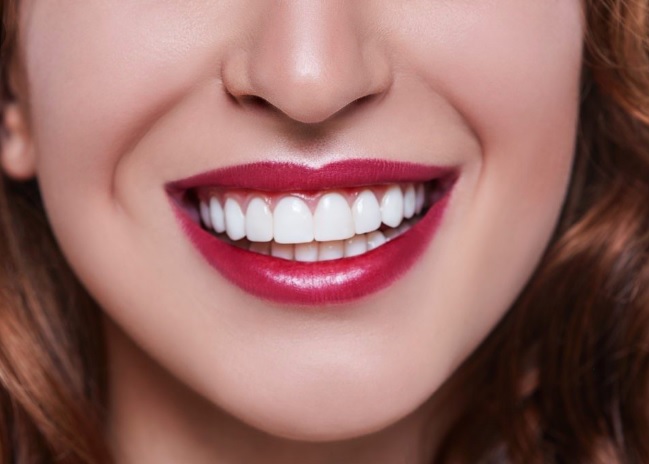
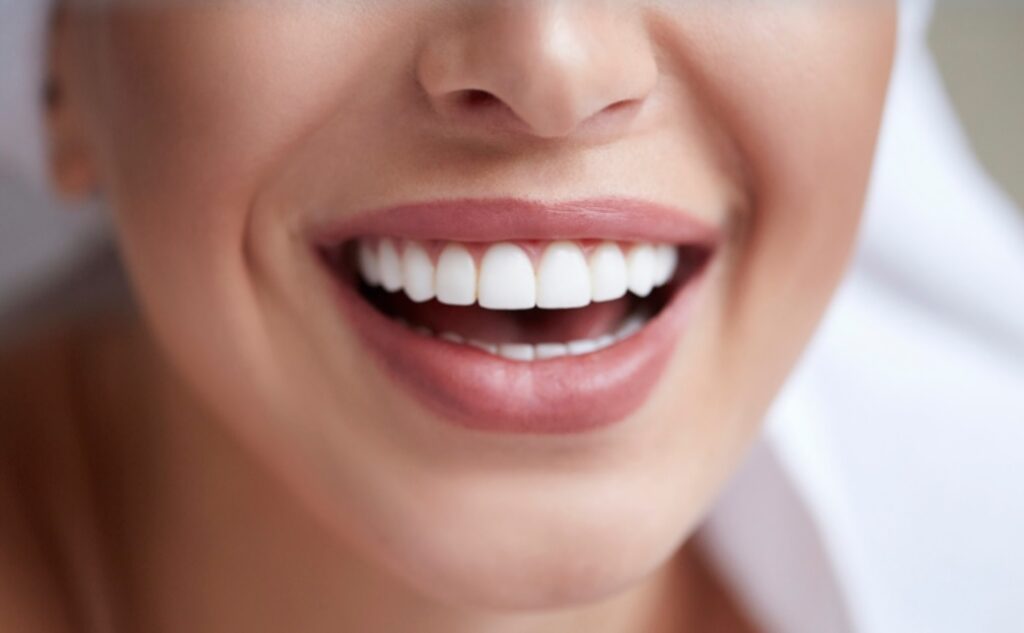
One of the main reasons patients consider veneer teeth is to improve overall appearance. Veneers can be shaped and shaded to blend with surrounding teeth. Both porcelain and composite materials can be customised to achieve a natural look.
However, results vary depending on individual anatomy, existing tooth structure, and expectations.
2. Colour Stability (Porcelain Veneers)
Porcelain veneers are generally more resistant to surface staining compared to natural enamel. This may be beneficial for individuals who consume beverages such as coffee, tea, or red wine.
While porcelain resists staining, surrounding natural teeth may still change colour over time. Additionally, veneers themselves do not respond to whitening treatments once placed.
3. Durability
When maintained appropriately, veneer teeth may last several years. Longevity depends on factors such as:
Oral hygiene habits
Bite forces
Teeth grinding (bruxism)
Diet
Regular dental check-ups
Composite veneers may last approximately 5–10 years, while porcelain veneers may last longer in some cases. However, no dental restoration is permanent, and replacement may eventually be required.
4. Minimally Invasive Compared to Crowns
Compared to full dental crowns, veneers generally require less removal of tooth structure. This conservative approach may preserve more of the natural tooth, depending on the case.
However, some enamel removal is usually necessary, and the procedure remains irreversible.
5. Customised Treatment
Dental veneers can be individually designed to match a patient’s smile characteristics. Factors considered during planning include:
Facial proportions
Lip line
Tooth shape
Bite alignment
A personalised treatment plan helps ensure that veneer teeth align with the patient’s aesthetic goals while maintaining function.
Cons of Veneers
When reviewing the pros and cons of veneers, it is equally important to understand potential limitations and risks.
1. Irreversible Procedure
One of the most significant veneers teeth pros and cons is that the procedure is usually permanent. Enamel removal cannot be reversed. Once veneer teeth are placed, future maintenance or replacement will likely be necessary.
Patients should carefully consider this before proceeding.
2. Risk of Damage or Breakage
Although dental veneers are durable, they are not indestructible. Veneers may chip, crack, or debond due to:
Trauma
Biting hard objects
Teeth grinding
Accidental impact
If damage occurs, repair or replacement may be required. Porcelain veneers generally cannot be repaired as easily as composite veneers.
3. Longevity and Replacement
All veneer teeth have a lifespan. Over time, veneers may need replacement due to wear, marginal staining, or changes in surrounding teeth and gums.
Replacement involves removing the existing veneers and fabricating new ones, which incurs additional cost.
4. Sensitivity
Some patients experience temporary sensitivity to hot or cold following enamel preparation. This sensitivity often reduces after the teeth adjust, but in some cases, it may persist.
Discussing the risk of sensitivity during consultation is important when evaluating dental veneers pros and cons.
5. Cost Considerations
Cost is an important factor when reviewing the pros and cons of veneers.
In Sydney, veneers cost can vary depending on several factors, including the material used (composite or porcelain), the number of teeth being treated, the complexity of the case, and laboratory fees where applicable.
A personalised consultation is required to provide an accurate treatment plan and quotation based on your individual needs.
Hornsby Dental offers payment plan options for eligible patients to help manage treatment costs:
Composite veneers – Interest-free payment plans available from $30 per week
Porcelain veneers – Interest-free payment plans available from $57 per week
Payment plans are subject to approval and terms and conditions.
When considering veneers, it is important to factor in not only the initial cost but also long-term maintenance and potential replacement over time.
6. Not Suitable for Everyone
Not all patients are suitable candidates for dental veneers. Veneers may not be recommended for individuals with:
Active gum disease
Untreated tooth decay
Severe enamel erosion
Significant bite misalignment
Unmanaged teeth grinding
In some cases, underlying dental conditions must be treated before veneers can be considered.
A thorough examination is necessary to determine eligibility.
Weighing the Veneers Teeth Pros and Cons
When evaluating veneers teeth pros and cons, patients should consider:
Their long-term oral health
Budget and financial planning
Willingness to maintain veneers
Realistic expectations of outcomes
Alternative treatment options
Alternative treatments may include orthodontics, whitening, bonding, or crowns depending on the concern.
Open discussion with a qualified dental professional ensures that patients understand both benefits and limitations before proceeding.
Making an Informed Decision
The decision to proceed with veneer teeth is personal and should be based on clinical advice rather than promotional claims.
During consultation, your dentist should explain:
Treatment steps
Risks and complications
Expected longevity
Maintenance requirements
Total cost
Alternatives
Patients are encouraged to ask questions and take time to consider their options.
Final Thoughts
Understanding the veneers teeth pros and cons is essential before committing to treatment. Dental veneers can improve the appearance of teeth affected by staining, minor damage, or irregular shape, but they involve permanent changes to tooth structure and require long-term care.
By carefully reviewing the dental veneers pros and cons, discussing expectations with your dentist Hornsby, and considering financial and maintenance factors, you can make an informed decision that supports both your aesthetic goals and oral health.
If you would like to explore whether veneers are suitable for you, arranging a consultation allows for personalised assessment and professional guidance.